 국립중앙도서관 "우편 복사 서비스"로 연결 됩니다.


Calls for inquiry-based science instruction recommend students engage in knowledge construction through meaningful experiences that are authentic representations of the work of scientific communities. Though recommendations have focused on children's...
다국어 입력
あ
ぁ
か
が
さ
ざ
た
だ
な
は
ば
ぱ
ま
や
ゃ
ら
わ
ゎ
ん
い
ぃ
き
ぎ
し
じ
ち
ぢ
に
ひ
び
ぴ
み
り
う
ぅ
く
ぐ
す
ず
つ
づ
っ
ぬ
ふ
ぶ
ぷ
む
ゆ
ゅ
る
え
ぇ
け
げ
せ
ぜ
て
で
ね
へ
べ
ぺ
め
れ
お
ぉ
こ
ご
そ
ぞ
と
ど
の
ほ
ぼ
ぽ
も
よ
ょ
ろ
を
ア
ァ
カ
サ
ザ
タ
ダ
ナ
ハ
バ
パ
マ
ヤ
ャ
ラ
ワ
ヮ
ン
イ
ィ
キ
ギ
シ
ジ
チ
ヂ
ニ
ヒ
ビ
ピ
ミ
リ
ウ
ゥ
ク
グ
ス
ズ
ツ
ヅ
ッ
ヌ
フ
ブ
プ
ム
ユ
ュ
ル
エ
ェ
ケ
ゲ
セ
ゼ
テ
デ
ヘ
ベ
ペ
メ
レ
オ
ォ
コ
ゴ
ソ
ゾ
ト
ド
ノ
ホ
ボ
ポ
モ
ヨ
ョ
ロ
ヲ
―
http://chineseinput.net/에서 pinyin(병음)방식으로 중국어를 변환할 수 있습니다.
변환된 중국어를 복사하여 사용하시면 됩니다.
예시)
- 中文 을 입력하시려면 zhongwen을 입력하시고 space를누르시면됩니다.
- 北京 을 입력하시려면 beijing을 입력하시고 space를 누르시면 됩니다.
А
Б
В
Г
Д
Е
Ё
Ж
З
И
Й
К
Л
М
Н
О
П
Р
С
Т
У
Ф
Х
Ц
Ч
Ш
Щ
Ъ
Ы
Ь
Э
Ю
Я
а
б
в
г
д
е
ё
ж
з
и
й
к
л
м
н
о
п
р
с
т
у
ф
х
ц
ч
ш
щ
ъ
ы
ь
э
ю
я
′
″
℃
Å
¢
£
¥
¤
℉
‰
$
%
F
₩
㎕
㎖
㎗
ℓ
㎘
㏄
㎣
㎤
㎥
㎦
㎙
㎚
㎛
㎜
㎝
㎞
㎟
㎠
㎡
㎢
㏊
㎍
㎎
㎏
㏏
㎈
㎉
㏈
㎧
㎨
㎰
㎱
㎲
㎳
㎴
㎵
㎶
㎷
㎸
㎹
㎀
㎁
㎂
㎃
㎄
㎺
㎻
㎽
㎾
㎿
㎐
㎑
㎒
㎓
㎔
Ω
㏀
㏁
㎊
㎋
㎌
㏖
㏅
㎭
㎮
㎯
㏛
㎩
㎪
㎫
㎬
㏝
㏐
㏓
㏃
㏉
㏜
㏆
The role of text in supporting and extending first-hand investigations in guided inquiry science.
한글로보기https://www.riss.kr/link?id=T10541212
- 저자
-
발행사항
[S.l.]: The University of Michigan 1999
-
학위수여대학
The University of Michigan
-
수여연도
1999
-
작성언어
영어
- 주제어
-
학위
Ph.D.
-
페이지수
354 p.
-
지도교수/심사위원
Chair: Annemarie Sullivan Palincsar.
-
0
상세조회 -
0
다운로드
부가정보
다국어 초록 (Multilingual Abstract)

Calls for inquiry-based science instruction recommend students engage in knowledge construction through meaningful experiences that are authentic representations of the work of scientific communities. Though recommendations have focused on children's engagement in investigations of natural phenomena as a reaction to textbook-only instruction, completely removing texts from science instruction is not authentic to the scientific enterprise, nor advantageous to students who are learning to read informational texts. The integration of text into inquiry science instruction is a complex endeavor: the nature of the texts, their position within cycles of inquiry, purposes of text, and teachers' mediation of text use must be considered in the context of an inquiry classroom. This study examines the development of children's substantive and syntactic understandings as text-based investigations are incorporated into Guided Inquiry science instruction in two fourth-grade classrooms, and the extent to which the classes develop an inquiry orientation to text use. This study uses microgenetic analyses of children's discourse in whole class discussions about first- and second-hand investigations, and assessments of student's content understandings to trace the development of students' understandings over an entire program of study.
Results indicate that students' understandings of the nature of light surpass expectations from previous research for this age group. Students' understandings of the nature of scientific activity show improvement in their ability to represent data, their understandings of the general processes of investigation, and to some extent, their use of evidence to support claims. However, their ability to discuss the phases of their investigations at a metacognitive level is limited.
The use of texts in the genre of a scientist's notebook afforded opportunities for students to engage in inquiry processes while conducting text-based investigations. Students learned to read and interpret text and graphical representations of data, to critically evaluate a scientist's claims made from her data, and to apply the information in the texts to their own developing understandings. Students held a skeptical view of the information found in the texts, which is authentic to the practices of expert scientists.
This study shows the possibilities for the use of texts in elementary science classrooms as sites for critical analysis in inquiry fashion. The notebook texts afford many opportunities for teachers and children to sustain their inquiry orientation as they move between first- and second-hand investigations.
Results indicate that students' understandings of the nature of light surpass expectations from previous research for this age group. Students' understandings of the nature of scientific activity show improvement in their ability to represent data, their understandings of the general processes of investigation, and to some extent, their use of evidence to support claims. However, their ability to discuss the phases of their investigations at a metacognitive level is limited.
The use of texts in the genre of a scientist's notebook afforded opportunities for students to engage in inquiry processes while conducting text-based investigations. Students learned to read and interpret text and graphical representations of data, to critically evaluate a scientist's claims made from her data, and to apply the information in the texts to their own developing understandings. Students held a skeptical view of the information found in the texts, which is authentic to the practices of expert scientists.
This study shows the possibilities for the use of texts in elementary science classrooms as sites for critical analysis in inquiry fashion. The notebook texts afford many opportunities for teachers and children to sustain their inquiry orientation as they move between first- and second-hand investigations.
Calls for inquiry-based science instruction recommend students engage in knowledge construction through meaningful experiences that are authentic representations of the work of scientific communities. Though recommendations have focused on children's engagement in investigations of natural phenomena as a reaction to textbook-only instruction, completely removing texts from science instruction is not authentic to the scientific enterprise, nor advantageous to students who are learning to read informational texts. The integration of text into inquiry science instruction is a complex endeavor: the nature of the texts, their position within cycles of inquiry, purposes of text, and teachers' mediation of text use must be considered in the context of an inquiry classroom. This study examines the development of children's substantive and syntactic understandings as text-based investigations are incorporated into Guided Inquiry science instruction in two fourth-grade classrooms, and the extent to which the classes develop an inquiry orientation to text use. This study uses microgenetic analyses of children's discourse in whole class discussions about first- and second-hand investigations, and assessments of student's content understandings to trace the development of students' understandings over an entire program of study.
Results indicate that students' understandings of the nature of light surpass expectations from previous research for this age group. Students' understandings of the nature of scientific activity show improvement in their ability to represent data, their understandings of the general processes of investigation, and to some extent, their use of evidence to support claims. However, their ability to discuss the phases of their investigations at a metacognitive level is limited.
The use of texts in the genre of a scientist's notebook afforded opportunities for students to engage in inquiry processes while conducting text-based investigations. Students learned to read and interpret text and graphical representations of data, to critically evaluate a scientist's claims made from her data, and to apply the information in the texts to their own developing understandings. Students held a skeptical view of the information found in the texts, which is authentic to the practices of expert scientists.
This study shows the possibilities for the use of texts in elementary science classrooms as sites for critical analysis in inquiry fashion. The notebook texts afford many opportunities for teachers and children to sustain their inquiry orientation as they move between first- and second-hand investigations.
분석정보
연관 공개강의(KOCW)
-

Developments in 14-19: Institute of Education
Teachers TV Teachers TV -
Education Policy at the Party Conferences
Teachers TV Teachers TV -
Personal Finance Education: The Money Quiz
Teachers TV Teachers TV -
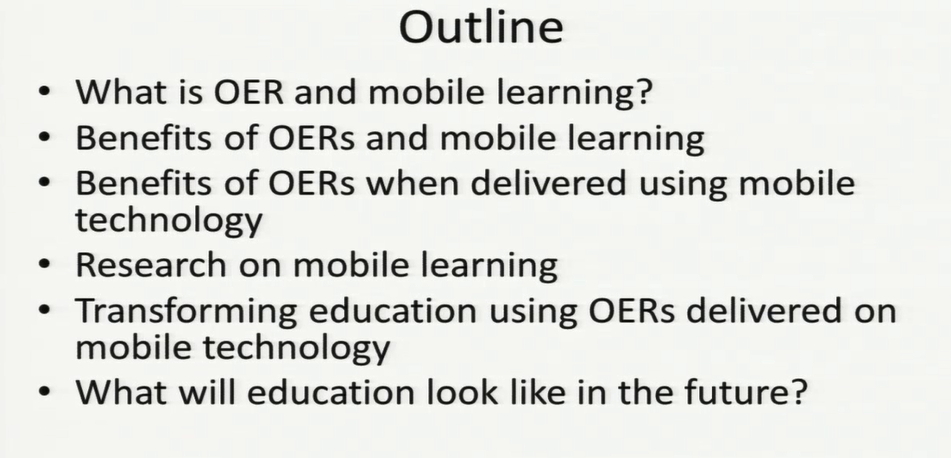
2014 이러닝 국제 콘퍼런스 : Open Education Resources with Mobile Learning to Transform Education
한국교육학술정보원 Mohamed Ally -
Early Sex Education: The Debate
Teachers TV Teachers TV
이 자료와 함께 이용한 RISS 자료
나만을 위한 추천자료


