 국립중앙도서관 "우편 복사 서비스"로 연결 됩니다.


 RISS
RISS KISS
KISS
The Web provides interpersonal interactions to distance learners with synchronous or asynchronous ways. Learners can interact with content experts, tutor, and/or other learners etc. So there have been many studies which explore technical and theoretic...
다국어 입력
あ
ぁ
か
が
さ
ざ
た
だ
な
は
ば
ぱ
ま
や
ゃ
ら
わ
ゎ
ん
い
ぃ
き
ぎ
し
じ
ち
ぢ
に
ひ
び
ぴ
み
り
う
ぅ
く
ぐ
す
ず
つ
づ
っ
ぬ
ふ
ぶ
ぷ
む
ゆ
ゅ
る
え
ぇ
け
げ
せ
ぜ
て
で
ね
へ
べ
ぺ
め
れ
お
ぉ
こ
ご
そ
ぞ
と
ど
の
ほ
ぼ
ぽ
も
よ
ょ
ろ
を
ア
ァ
カ
サ
ザ
タ
ダ
ナ
ハ
バ
パ
マ
ヤ
ャ
ラ
ワ
ヮ
ン
イ
ィ
キ
ギ
シ
ジ
チ
ヂ
ニ
ヒ
ビ
ピ
ミ
リ
ウ
ゥ
ク
グ
ス
ズ
ツ
ヅ
ッ
ヌ
フ
ブ
プ
ム
ユ
ュ
ル
エ
ェ
ケ
ゲ
セ
ゼ
テ
デ
ヘ
ベ
ペ
メ
レ
オ
ォ
コ
ゴ
ソ
ゾ
ト
ド
ノ
ホ
ボ
ポ
モ
ヨ
ョ
ロ
ヲ
―
http://chineseinput.net/에서 pinyin(병음)방식으로 중국어를 변환할 수 있습니다.
변환된 중국어를 복사하여 사용하시면 됩니다.
예시)
- 中文 을 입력하시려면 zhongwen을 입력하시고 space를누르시면됩니다.
- 北京 을 입력하시려면 beijing을 입력하시고 space를 누르시면 됩니다.
А
Б
В
Г
Д
Е
Ё
Ж
З
И
Й
К
Л
М
Н
О
П
Р
С
Т
У
Ф
Х
Ц
Ч
Ш
Щ
Ъ
Ы
Ь
Э
Ю
Я
а
б
в
г
д
е
ё
ж
з
и
й
к
л
м
н
о
п
р
с
т
у
ф
х
ц
ч
ш
щ
ъ
ы
ь
э
ю
я
′
″
℃
Å
¢
£
¥
¤
℉
‰
$
%
F
₩
㎕
㎖
㎗
ℓ
㎘
㏄
㎣
㎤
㎥
㎦
㎙
㎚
㎛
㎜
㎝
㎞
㎟
㎠
㎡
㎢
㏊
㎍
㎎
㎏
㏏
㎈
㎉
㏈
㎧
㎨
㎰
㎱
㎲
㎳
㎴
㎵
㎶
㎷
㎸
㎹
㎀
㎁
㎂
㎃
㎄
㎺
㎻
㎽
㎾
㎿
㎐
㎑
㎒
㎓
㎔
Ω
㏀
㏁
㎊
㎋
㎌
㏖
㏅
㎭
㎮
㎯
㏛
㎩
㎪
㎫
㎬
㏝
㏐
㏓
㏃
㏉
㏜
㏆

이러닝의 대인 상호작용 유형과 성인학습자의 교육효과에 대한 인식간의 관계 연구 = Relationships of Different Interpersonal Interactions and Learners` Perceptions about Learning Strategy Growth and Distance Learning Effectiveness in e-Learning
한글로보기https://www.riss.kr/link?id=A101959385
- 저자
- 발행기관
- 학술지명
- 권호사항
-
발행연도
2008
-
작성언어
-
- 주제어
-
KDC
300
-
등재정보
KCI등재
-
자료형태
학술저널
- 발행기관 URL
-
수록면
167-191(25쪽)
-
KCI 피인용횟수
17
- 제공처
- 소장기관
-
0
상세조회 -
0
다운로드
부가정보
다국어 초록 (Multilingual Abstract)

The Web provides interpersonal interactions to distance learners with synchronous or asynchronous ways. Learners can interact with content experts, tutor, and/or other learners etc. So there have been many studies which explore technical and theoretical features of online interpersonal interaction and connect them in designing e-learning. However, there is little attempts which has been made to practically examine the various effects of different types of interpersonal interaction in e-learning. This study attempted to investigate the effects of three different types of group interaction in e-learning class on their perceptions of learning strategy growth and effectiveness of distance education with 214 graduate students. Three different types of groups were naturally formed by academic departments in a online graduate school. They took their courses of 1st or 3rd semester of their curricula, and finally answered the questionaire. In other hand, the researcher analyzed instructors` different role and students` participation rates in each courses of departments in 1st semester of 2008, and then named them by their interactional characteristics as follows: 1) instructor-led well-structured highly- interactive group. 2) Q&A oriented lowly-interactive group, 3) learner-led highly-interactive group. And after doing these things, data has been treated with SPSS 12.0 windows by F-test and pearson r correlation. The results of this study show that instructor-led well-structured highly-interactive group outperformed Q & A oriented lowly-interactive group in perceptions of learning strategy growth and effectiveness of distance education. And perceptions of learning strategy growth and perceptions of distance education effectiveness are correlated positively.
The Web provides interpersonal interactions to distance learners with synchronous or asynchronous ways. Learners can interact with content experts, tutor, and/or other learners etc. So there have been many studies which explore technical and theoretical features of online interpersonal interaction and connect them in designing e-learning. However, there is little attempts which has been made to practically examine the various effects of different types of interpersonal interaction in e-learning. This study attempted to investigate the effects of three different types of group interaction in e-learning class on their perceptions of learning strategy growth and effectiveness of distance education with 214 graduate students. Three different types of groups were naturally formed by academic departments in a online graduate school. They took their courses of 1st or 3rd semester of their curricula, and finally answered the questionaire. In other hand, the researcher analyzed instructors` different role and students` participation rates in each courses of departments in 1st semester of 2008, and then named them by their interactional characteristics as follows: 1) instructor-led well-structured highly- interactive group. 2) Q&A oriented lowly-interactive group, 3) learner-led highly-interactive group. And after doing these things, data has been treated with SPSS 12.0 windows by F-test and pearson r correlation. The results of this study show that instructor-led well-structured highly-interactive group outperformed Q & A oriented lowly-interactive group in perceptions of learning strategy growth and effectiveness of distance education. And perceptions of learning strategy growth and perceptions of distance education effectiveness are correlated positively.
참고문헌 (Reference)
1 신나민, "효과적인 원격교육체제 구축을 위한 이론적 탐색: 상호교류적 현존감(Transactional Presence) 구인" 20 (20): 83-99, 2004
2 나일주, "학습자 교수자 운영자의 e-learning 인식분석" 8 (8): 115-134, 2002
3 정인성, "평생교육을 위한 웹기반학습에서 상호작용 유형에 따른 효과분석" 16 (16): 223-246, 2000
4 임정훈, "초ㆍ중등학교에서 교실수업과 웹기반 학습을 연계한 커뮤니티 기반 프로젝트 학습모형 개발 연구" 한국교육공학회 20 (20): 101-133, 2004
5 강숙희, "중학교 사이버수업에서 운영유형이 학업성취도와 학습만족도에 미치는 영향" 19 (19): 231-259, 2003
6 한정선, "웹기반학습의 온라인 토론에서 교수자의 참여에 따른 학습자의 토론 참여 양상에 대한 연구" 21 (21): 123-142, 2005
7 이혜정, "웹기반 원격학습 환경에서 구조 중심 수업과 상호작용 중심 수업의 학습과정 메커니즘 비교 연구" 20 (20): 25-52, 2004b
8 이혜정, "웹기반 원격교육의 이론적 논의에 관한 새로운 관점:Moore의 개념을 넘어서" 42 (42): 137-168, 2004
9 김민경, "웹게시판 활용 학습에서 자기규제 학습유형,학습 스타일,학습결과의 제측면에 관한 연구" 15 (15): 177-198, 1999
10 정재삼, "웹 기반 토론에서 학습자의 참여도,성취도 및 만족도 관련 요인의 효과 분석" 16 (16): 107-135, 2000
1 신나민, "효과적인 원격교육체제 구축을 위한 이론적 탐색: 상호교류적 현존감(Transactional Presence) 구인" 20 (20): 83-99, 2004
2 나일주, "학습자 교수자 운영자의 e-learning 인식분석" 8 (8): 115-134, 2002
3 정인성, "평생교육을 위한 웹기반학습에서 상호작용 유형에 따른 효과분석" 16 (16): 223-246, 2000
4 임정훈, "초ㆍ중등학교에서 교실수업과 웹기반 학습을 연계한 커뮤니티 기반 프로젝트 학습모형 개발 연구" 한국교육공학회 20 (20): 101-133, 2004
5 강숙희, "중학교 사이버수업에서 운영유형이 학업성취도와 학습만족도에 미치는 영향" 19 (19): 231-259, 2003
6 한정선, "웹기반학습의 온라인 토론에서 교수자의 참여에 따른 학습자의 토론 참여 양상에 대한 연구" 21 (21): 123-142, 2005
7 이혜정, "웹기반 원격학습 환경에서 구조 중심 수업과 상호작용 중심 수업의 학습과정 메커니즘 비교 연구" 20 (20): 25-52, 2004b
8 이혜정, "웹기반 원격교육의 이론적 논의에 관한 새로운 관점:Moore의 개념을 넘어서" 42 (42): 137-168, 2004
9 김민경, "웹게시판 활용 학습에서 자기규제 학습유형,학습 스타일,학습결과의 제측면에 관한 연구" 15 (15): 177-198, 1999
10 정재삼, "웹 기반 토론에서 학습자의 참여도,성취도 및 만족도 관련 요인의 효과 분석" 16 (16): 107-135, 2000
11 임정훈, "웹 기반 자율학습형 코스와 문제해결형 코스의 설계와 개발" 15 (15): 91-112, 1999
12 임철일, "웹 기반 자기 조절 학습 환경을 위한 설계 및 운영 전략이 자기 조절 학습 수준 및 학업 성취도에 미치는 효과" 18 (18): 3-23, 2002
13 정경호, "웹 기반 교육의 학습 성과에 관한 연구-학습자 태도와 상호 작용 요인을 중심으로" 전남대학교 대학원 2005
14 김종두, "웹 기반 교육의 가능성과 한계성 분석: ‘교육공학연구’에 나타난 학업성취 관련 연구를 중심으로" 한국교육공학회 22 (22): 87-113, 2006
15 박성열, "웹 기반 교수-학습 관련 변인이 학습 효과에 미치는 영향에 대한 메타분석" 21 (21): 127-152, 2005
16 신나민, "원격현존감과 인터페이스에 대한 지각이 학습자의 사이버강좌 평가 및 학습활동에 미치는 영향" 21 (21): 215-240, 2005
17 장은정, "원격대학 성과 분석 연구" 23 (23): 67-104, 2007
18 임철일, "원격교육 이론의 웹 기반 교육 설계에 대한 시사점 종합화를 위한 개념적 틀의 탐색" 20 (20): 133-167, 2004
19 손유진, "온라인교육에서 포트폴리오 활용이 예비유아교사의 자기주도력 및 상호작용에 미치는 영향" 25 (25): 217-235, 2005
20 강명희, "온라인 프로젝트 수행을 지원하는 자기규제학습 촉진전략의 효과" 18 (18): 5-22, 2002
21 이동주, "온라인 수업에서 학습자들의 상호작용 증진을 위한 공동체의식 형성에 관한 고찰" 20 (20): 51-71, 2004
22 김성렬, "오프라인과 온라인 수업 효과 분석" 9 : 49-66, 2004
23 이인숙, "시간관리전략의 활성화를 촉진시키는 교수설계기반의 e-Learning 교수모형 탐색" 4 (4): 73-96, 2005
24 김민경, "상호작용 증진을 위한 웹기반 게시판의 내용 및 사용실태 분석:원격수학수업에서의 사례연구" 15 (15): 219-239, 1999
25 허희옥, "사이버공간에서의 ‘교육적 경험’을 위한 학습 환경 설계" 19 (19): 197-223, 2003
26 최성희, "메시지내용분석을 통한 전자우편의 교육적 활용 연구" 14 (14): 167-186, 1998
27 최명숙, "대학 교육에서 e-러닝의 학습효과와 관련된변인들의 관계 분석" 한국교육공학회 24 (24): 27-53, 2008
28 권형규, "구성주의적 문제중심학습(PBL)에 따른 웹기반 학습상담 시스템의 설계 및 구현" 한국정보교육학회 6 (6): 8-224, 2002
29 이인숙, "e-Learning 환경에서의 자기조절학습전략, 자기효능감과 e-Learning 학습전략 수준 및 학업성취도 관련성 규명" 19 (19): 41-68, 2003
30 McIloy, A., "Total quality management: Some implications for the management of distance education" 14 (14): 1993
31 Moore, M., "Three types of interaction in distance education In: Education: New Perspectives" Routledge 19-24, 1993
32 Paulson, F., "The online report on pedagogical techniques for computer-mediated communication. http://www.umass.edu/nfp/work/ paulsen.html"
33 Berge, Z, "The Role of the online instructor/facilitator. http://www.emoderators.com/moderators/teach_online.html"
34 Oren, A., "The Development of Social Climate in Virtual Learning" 3 (3): 2002
35 Wilkinson, M., "Target characteristics for facilitator candidates. http://www.thefacilitator.com/ htdocs/394_wilk.html"
36 Green, L., "Online conferencing: Lessons learned. http://www.emoderators.com/moderators/ lessonse.pdf, 2005년 2월 26일"
37 Oliver, G., "Interactivity in telelearning environments: Using communication and dialogue meaningfully in the learning process. In J. 16th ODLAA Biennial Forum Conference Proceedings 9 ‘'Sustaining Quality Learning Environments’' http://elrond.scam.ecu.edu.au/ oliver/docs/97/ ODLAA2do.pdf"
38 Hay, A., "Interaction and virtual learning" 13 : 193-204, 2004
39 Steuer, J., "Defining virtual reality: Dimensions determining telepresence" 42 : 72-92, 1993
40 Hiemstra, R., "Computerized distance education: The role of facilitators. http://www -distance.syr.edu/mpaea.html, 2005년 3월 9일 검색"
41 Henri, F., "Computer Conferencing and Content Analysis In: Collaborative Learning through Computer Confernecing" Springer-verlag 1991
42 Bates, A., "Application of new technology in distance education: Implication for training of distance educators. Round Table on Training, Commonwealth of learning."
동일학술지(권/호) 다른 논문
-
협동학습팀 내 사회연결망 지수가 학습 성과에 미치는 영향
- 한국교육공학회
- 조일현 ( Il Hyun Jo )
- 2008
- KCI등재
-
CoP에서 공동체의식, 몰입과 지식경영활동과의 관련성 연구
- 한국교육공학회
- 정재삼 ( Jaesam Chung )
- 2008
- KCI등재
-
교수학습 체제로서의 University 2.0 적용을 위한 학습자와 교수자 요구분석 사례연구
- 한국교육공학회
- 홍준희 ( Junhee Hong )
- 2008
- KCI등재
-
성인학습자의 성취목표지향성 및 자기조절학습의 관계 연구: 성인 계속교육 학습자와 일반 대학생 간 비교
- 한국교육공학회
- 권성연 ( Soungyoun Kwon )
- 2008
- KCI등재
분석정보
인용정보 인용지수 설명보기
학술지 이력
| 연월일 | 이력구분 | 이력상세 | 등재구분 |
|---|---|---|---|
| 2027 | 평가 | 재인증평가 신청대상 (재인증) | |
| 2021-01-01 | 등재 | 등재학술지 유지 (재인증) | |
| 2018-01-01 | 등재 | 등재학술지 유지 (등재유지) | |
| 2015-01-01 | 등재 | 등재학술지 유지 (등재유지) | |
| 2011-01-01 | 등재 | 등재학술지 유지 (등재유지) | |
| 2009-01-01 | 등재 | 등재학술지 유지 (등재유지) | |
| 2007-01-01 | 등재 | 등재학술지 유지 (등재유지) | |
| 2004-01-01 | 등재 | 등재학술지 선정 (등재후보2차) | |
| 2003-01-01 | 등재 | 등재후보 1차 PASS (등재후보1차) |  |
| 2002-01-01 | 등재 | 등재후보 1차 FAIL (등재후보1차) | |
| 1999-07-01 | 등재 | 등재후보학술지 선정 (신규평가) | |
학술지 인용정보
| 기준연도 | WOS-KCI 통합IF(2년) | KCIF(2년) | KCIF(3년) |
|---|---|---|---|
| 2016 | 3.7 | 3.7 | 3.26 |
| KCIF(4년) | KCIF(5년) | 중심성지수(3년) | 즉시성지수 |
| 2.89 | 2.68 | 3.751 | 0.75 |
연관 공개강의(KOCW)
-
2014 이러닝 국제 콘퍼런스 : Developing the PETAL e-Learning Platform~
한국교육정보진흥협회 Vincent Tam -
2014 이러닝 국제 콘퍼런스 : Understand Seniors’ Motivation in e-Learning through
한국교육정보진흥협회 Thomas Kuan -
2014 이러닝 국제 콘퍼런스: Analysis of e-Learning Program Management for Adults in Korea
한국교육정보진흥협회 Don-Min, Choi -

성공적인 대학생활을 위한 학습전략
삼육대학교 김현우 -
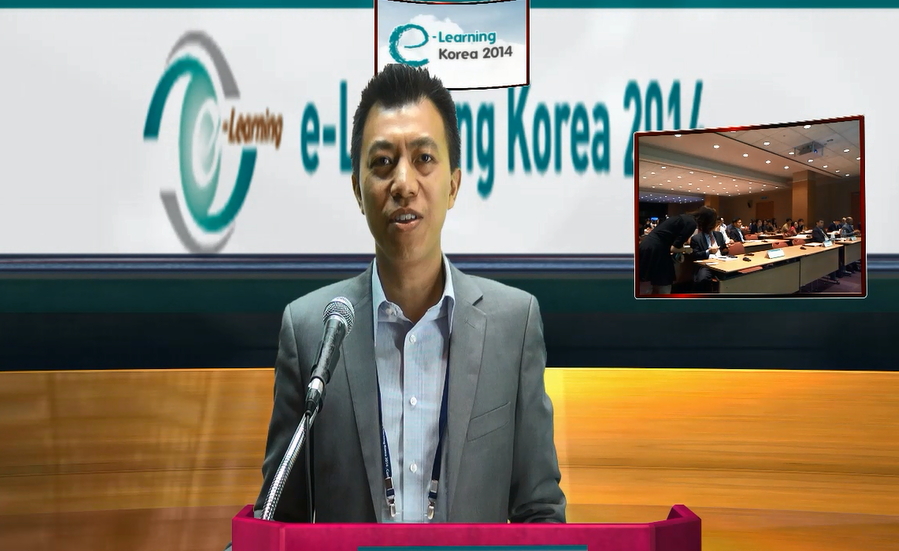
2014 이러닝 국제 콘퍼런스 : Education Technology with Moonshot Thinking
한국교육학술정보원 Suan Yeo
이 자료와 함께 이용한 RISS 자료
나만을 위한 추천자료


