 국립중앙도서관 "우편 복사 서비스"로 연결 됩니다.


 KISS

The purpose of this study was to examine the researches of creativity from the philosophical viewpoint and to find some curricular implications attributable to the examination. The present perspective based on the phenomenology, existentialism, and B...
다국어 입력
あ
ぁ
か
が
さ
ざ
た
だ
な
は
ば
ぱ
ま
や
ゃ
ら
わ
ゎ
ん
い
ぃ
き
ぎ
し
じ
ち
ぢ
に
ひ
び
ぴ
み
り
う
ぅ
く
ぐ
す
ず
つ
づ
っ
ぬ
ふ
ぶ
ぷ
む
ゆ
ゅ
る
え
ぇ
け
げ
せ
ぜ
て
で
ね
へ
べ
ぺ
め
れ
お
ぉ
こ
ご
そ
ぞ
と
ど
の
ほ
ぼ
ぽ
も
よ
ょ
ろ
を
ア
ァ
カ
サ
ザ
タ
ダ
ナ
ハ
バ
パ
マ
ヤ
ャ
ラ
ワ
ヮ
ン
イ
ィ
キ
ギ
シ
ジ
チ
ヂ
ニ
ヒ
ビ
ピ
ミ
リ
ウ
ゥ
ク
グ
ス
ズ
ツ
ヅ
ッ
ヌ
フ
ブ
プ
ム
ユ
ュ
ル
エ
ェ
ケ
ゲ
セ
ゼ
テ
デ
ヘ
ベ
ペ
メ
レ
オ
ォ
コ
ゴ
ソ
ゾ
ト
ド
ノ
ホ
ボ
ポ
モ
ヨ
ョ
ロ
ヲ
―
http://chineseinput.net/에서 pinyin(병음)방식으로 중국어를 변환할 수 있습니다.
변환된 중국어를 복사하여 사용하시면 됩니다.
예시)
- 中文 을 입력하시려면 zhongwen을 입력하시고 space를누르시면됩니다.
- 北京 을 입력하시려면 beijing을 입력하시고 space를 누르시면 됩니다.
А
Б
В
Г
Д
Е
Ё
Ж
З
И
Й
К
Л
М
Н
О
П
Р
С
Т
У
Ф
Х
Ц
Ч
Ш
Щ
Ъ
Ы
Ь
Э
Ю
Я
а
б
в
г
д
е
ё
ж
з
и
й
к
л
м
н
о
п
р
с
т
у
ф
х
ц
ч
ш
щ
ъ
ы
ь
э
ю
я
′
″
℃
Å
¢
£
¥
¤
℉
‰
$
%
F
₩
㎕
㎖
㎗
ℓ
㎘
㏄
㎣
㎤
㎥
㎦
㎙
㎚
㎛
㎜
㎝
㎞
㎟
㎠
㎡
㎢
㏊
㎍
㎎
㎏
㏏
㎈
㎉
㏈
㎧
㎨
㎰
㎱
㎲
㎳
㎴
㎵
㎶
㎷
㎸
㎹
㎀
㎁
㎂
㎃
㎄
㎺
㎻
㎽
㎾
㎿
㎐
㎑
㎒
㎓
㎔
Ω
㏀
㏁
㎊
㎋
㎌
㏖
㏅
㎭
㎮
㎯
㏛
㎩
㎪
㎫
㎬
㏝
㏐
㏓
㏃
㏉
㏜
㏆

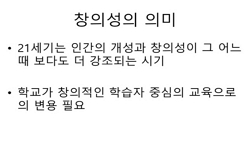
창의성의 철학적 시각과 교육과정적 시사 = A Philosophical Perspective on Creativity Research and Its Curricular Implications
한글로보기https://www.riss.kr/link?id=A40116065
- 저자
- 발행기관
- 학술지명
- 권호사항
-
발행연도
2003
-
작성언어
-
- 주제어
-
KDC
300
-
등재정보
KCI등재
-
자료형태
학술저널
- 발행기관 URL
-
수록면
1-22(22쪽)
-
KCI 피인용횟수
4
- 제공처
- 소장기관
-
0
상세조회 -
0
다운로드
인용문이 복사되었습니다.
부가정보
다국어 초록 (Multilingual Abstract)

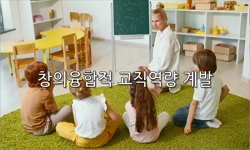
The purpose of this study was to examine the researches of creativity from the philosophical viewpoint and to find some curricular implications attributable to the examination. The present perspective based on the phenomenology, existentialism, and Buddism were examined on the whole: Firstly, in the phenomenological aspect, the concept of creativity is no more than the `intuition` in terms of knowing the essence of a nature. The creative activities in any field of science and arts are to find and to express the very essence. Secondly, in the existentialist aspect, the creativity is closely connected to the concept of the self-actualization. Individuality and originality of a person were the substantial concepts of existentialism. The self-actualization is the full realization or expression of the originality and the individuality of a person in the long run perspective. So we can say that the real creativity comes from the individual and original personality and ended in its actualization. Thirdly, in the bibles of Buddism, the concept of creativity is included in terms of the `wisdom`. The real meaning of the wisdom comprehend the three ways of knowing: differentiation, integration, and liberation. According to the analysis above, some suggestions for the curriculum were drived as follows: the aims of schooling should emphasis the cultivating creativity and individuality; the contents of the curriculum must be selected carefully to activate the creativity of every child; the methods of teaching should be differentiated to fulfil the need of self-actualization; and the criteria of evaluation must be centralized on the creative thinking and attitude of children.
The purpose of this study was to examine the researches of creativity from the philosophical viewpoint and to find some curricular implications attributable to the examination. The present perspective based on the phenomenology, existentialism, and Buddism were examined on the whole: Firstly, in the phenomenological aspect, the concept of creativity is no more than the `intuition` in terms of knowing the essence of a nature. The creative activities in any field of science and arts are to find and to express the very essence. Secondly, in the existentialist aspect, the creativity is closely connected to the concept of the self-actualization. Individuality and originality of a person were the substantial concepts of existentialism. The self-actualization is the full realization or expression of the originality and the individuality of a person in the long run perspective. So we can say that the real creativity comes from the individual and original personality and ended in its actualization. Thirdly, in the bibles of Buddism, the concept of creativity is included in terms of the `wisdom`. The real meaning of the wisdom comprehend the three ways of knowing: differentiation, integration, and liberation. According to the analysis above, some suggestions for the curriculum were drived as follows: the aims of schooling should emphasis the cultivating creativity and individuality; the contents of the curriculum must be selected carefully to activate the creativity of every child; the methods of teaching should be differentiated to fulfil the need of self-actualization; and the criteria of evaluation must be centralized on the creative thinking and attitude of children.
동일학술지(권/호) 다른 논문
-
- 한국교육과정학회
- 김대현 ( Dae Hyun Kim )
- 2003
- KCI등재
-
초등학교, 중학교 교과서 내용에 관한 교사 인식 비교: 내용의 양과 수준을 중심으로
- 한국교육과정학회
- 김석우 ( Suk Woo Kim )
- 2003
- KCI등재
-
창의성 증진을 위한 교과 교육과정 개발 기초로서의 수업 분석: 초등 국어과 5학년 사례
- 한국교육과정학회
- 김경자 ( Kyung Ja Kim )
- 2003
- KCI등재
-
국가 교육과정 개정 담론의 비교 분석(1): 제 4차에서 제 7차에 걸친 교육내용의 적정화 담론을 중심으로
- 한국교육과정학회
- 김재춘 ( Chae Chun Gim )
- 2003
- KCI등재
분석정보
인용정보 인용지수 설명보기
학술지 이력
| 연월일 | 이력구분 | 이력상세 | 등재구분 |
|---|---|---|---|
| 2027 | 평가 | 재인증평가 신청대상 (재인증) | |
| 2021-01-01 | 등재 | 등재학술지 유지 (재인증) | |
| 2018-01-01 | 등재 | 등재학술지 유지 (등재유지) | |
| 2015-01-01 | 등재 | 등재학술지 유지 (등재유지) | |
| 2011-01-01 | 등재 | 등재학술지 유지 (등재유지) | |
| 2009-01-01 | 등재 | 등재학술지 유지 (등재유지) | |
| 2006-01-01 | 등재 | 등재학술지 선정 (등재후보2차) | |
| 2005-05-31 | 학술지명변경 | 외국어명 : 미등록 -> The Journal of Curriculum Studies |  |
| 2005-01-01 | 등재 | 신청제한 (등재후보2차) | |
| 2004-01-01 | 등재 | 등재후보 1차 PASS (등재후보1차) | |
| 2003-01-01 | 등재 | 등재후보학술지 유지 (등재후보1차) | |
| 2001-07-01 | 등재 | 등재후보학술지 선정 (신규평가) | |
학술지 인용정보
| 기준연도 | WOS-KCI 통합IF(2년) | KCIF(2년) | KCIF(3년) |
|---|---|---|---|
| 2016 | 2.81 | 2.81 | 2.75 |
| KCIF(4년) | KCIF(5년) | 중심성지수(3년) | 즉시성지수 |
| 2.65 | 2.69 | 3.561 | 0.48 |


이 자료와 함께 이용한 RISS 자료
나만을 위한 추천자료
로그인하고 관련된 다양한 학술자료를 확인해 보세요.
로그인

