 국립중앙도서관 "우편 복사 서비스"로 연결 됩니다.


 KCI
KCI KISS
KISSAdvances in technology brings mcuh changes in learning environment. Especially, advances in Internet technology have created various learning settings such as LMSs/VLEs, MOOC, and Web-based learning. These newly emerging learning settings have contrib...
다국어 입력
あ
ぁ
か
が
さ
ざ
た
だ
な
は
ば
ぱ
ま
や
ゃ
ら
わ
ゎ
ん
い
ぃ
き
ぎ
し
じ
ち
ぢ
に
ひ
び
ぴ
み
り
う
ぅ
く
ぐ
す
ず
つ
づ
っ
ぬ
ふ
ぶ
ぷ
む
ゆ
ゅ
る
え
ぇ
け
げ
せ
ぜ
て
で
ね
へ
べ
ぺ
め
れ
お
ぉ
こ
ご
そ
ぞ
と
ど
の
ほ
ぼ
ぽ
も
よ
ょ
ろ
を
ア
ァ
カ
サ
ザ
タ
ダ
ナ
ハ
バ
パ
マ
ヤ
ャ
ラ
ワ
ヮ
ン
イ
ィ
キ
ギ
シ
ジ
チ
ヂ
ニ
ヒ
ビ
ピ
ミ
リ
ウ
ゥ
ク
グ
ス
ズ
ツ
ヅ
ッ
ヌ
フ
ブ
プ
ム
ユ
ュ
ル
エ
ェ
ケ
ゲ
セ
ゼ
テ
デ
ヘ
ベ
ペ
メ
レ
オ
ォ
コ
ゴ
ソ
ゾ
ト
ド
ノ
ホ
ボ
ポ
モ
ヨ
ョ
ロ
ヲ
―
http://chineseinput.net/에서 pinyin(병음)방식으로 중국어를 변환할 수 있습니다.
변환된 중국어를 복사하여 사용하시면 됩니다.
예시)
- 中文 을 입력하시려면 zhongwen을 입력하시고 space를누르시면됩니다.
- 北京 을 입력하시려면 beijing을 입력하시고 space를 누르시면 됩니다.
А
Б
В
Г
Д
Е
Ё
Ж
З
И
Й
К
Л
М
Н
О
П
Р
С
Т
У
Ф
Х
Ц
Ч
Ш
Щ
Ъ
Ы
Ь
Э
Ю
Я
а
б
в
г
д
е
ё
ж
з
и
й
к
л
м
н
о
п
р
с
т
у
ф
х
ц
ч
ш
щ
ъ
ы
ь
э
ю
я
′
″
℃
Å
¢
£
¥
¤
℉
‰
$
%
F
₩
㎕
㎖
㎗
ℓ
㎘
㏄
㎣
㎤
㎥
㎦
㎙
㎚
㎛
㎜
㎝
㎞
㎟
㎠
㎡
㎢
㏊
㎍
㎎
㎏
㏏
㎈
㎉
㏈
㎧
㎨
㎰
㎱
㎲
㎳
㎴
㎵
㎶
㎷
㎸
㎹
㎀
㎁
㎂
㎃
㎄
㎺
㎻
㎽
㎾
㎿
㎐
㎑
㎒
㎓
㎔
Ω
㏀
㏁
㎊
㎋
㎌
㏖
㏅
㎭
㎮
㎯
㏛
㎩
㎪
㎫
㎬
㏝
㏐
㏓
㏃
㏉
㏜
㏆

RISS 인기검색어

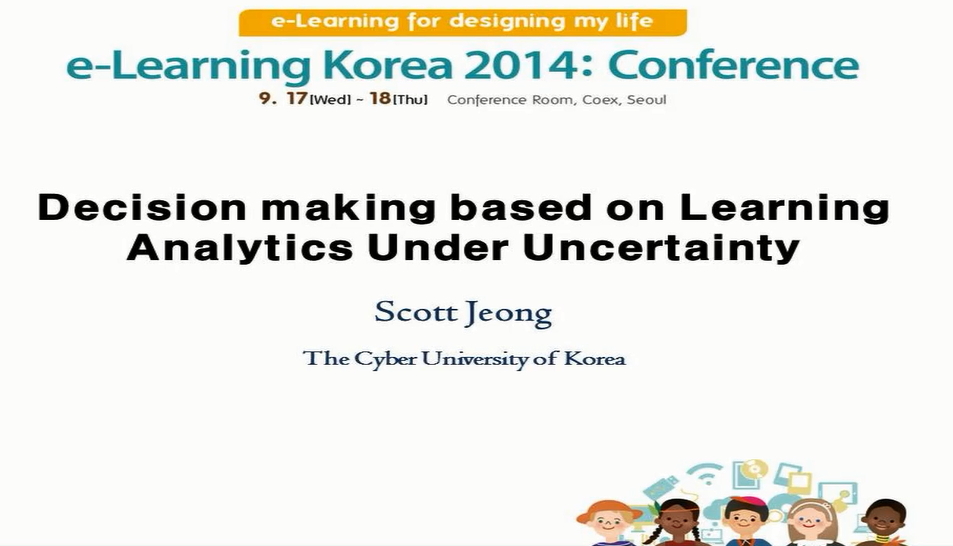
해외 학습분석학(Learning Analytics) 연구에 대한 동향 분석: 실증 연구 중심으로 = An International Literature Review on Learning Analytics: Focused on empirical studies
한글로보기https://www.riss.kr/link?id=A101721217
- 저자
- 발행기관
- 학술지명
- 권호사항
-
발행연도
2015
-
작성언어
-
- 주제어
-
KDC
300
-
등재정보
KCI등재
-
자료형태
학술저널
-
수록면
601-643(43쪽)
-
KCI 피인용횟수
9
- DOI식별코드
- 제공처
-
0
상세조회 -
0
다운로드
부가정보
다국어 초록 (Multilingual Abstract)

Advances in technology brings mcuh changes in learning environment. Especially, advances in Internet technology have created various learning settings such as LMSs/VLEs, MOOC, and Web-based learning. These newly emerging learning settings have contributed to provide more effective learning environment for learners than ever before. These learning environment enable collection of vast amount of data and analyze such data for meaningful interpretation. Recently, much attention has been paid to Learning Analytics in order to understand different learning types or learners, predict learners’ performances, and further to develop various teaching strategies under those learning settings. Although many studies on Learning Analytics have been conducted, we lack information about research objectives, learning settings, and data analysis methods used in Learning Analytics. Therefore, the purpose of this literature review of international research was to identify trends of current Learning Analytics studies in terms of research objectives, learning settings, and data analysis methods. In this research, we reviewed a total of 154 published in international articles and presentations made between September of 2013 through August of 2015. This literature review applied Papamitsiou & Economides (2014) literature review framework and methods. The research findings showed that (1) prediction of performances, recommendation of resources, and student behavior modeling were prevalent in terms of research objectives, (2) LMSs/VLEs and web-based education were prevalent in terms of learning settings, and (3) statistics was prevalent in terms of data analysis method. Specifically, various data analysis methods have been used such as Text Mining and Social Network Analysis. Interestingly, Bayesian Inference Network or Machine Learning which is not commonly used in Educational Technology was found from this literature review. We suggested several implications to improve Learning Analytics in Korea. It is necessary to conduct studies with various learning objectives, learning settings, and data analysis methods. Finally, it should lead to conceptualize Learning Analytics for Korean researchers. In addition to these conclusion, the use of data for education offer implication for researchers in the field of Korean Educational Technology. The research using Learning Analytics can provide strategies for designing hybrid learning environment, student achievements and feedback, and the visualized data could provide additional information about students’ learning process. Further researches in the area of Learning Analytics can provide important implications for those who research to improve online and offline learning environment.
Advances in technology brings mcuh changes in learning environment. Especially, advances in Internet technology have created various learning settings such as LMSs/VLEs, MOOC, and Web-based learning. These newly emerging learning settings have contributed to provide more effective learning environment for learners than ever before. These learning environment enable collection of vast amount of data and analyze such data for meaningful interpretation. Recently, much attention has been paid to Learning Analytics in order to understand different learning types or learners, predict learners’ performances, and further to develop various teaching strategies under those learning settings. Although many studies on Learning Analytics have been conducted, we lack information about research objectives, learning settings, and data analysis methods used in Learning Analytics. Therefore, the purpose of this literature review of international research was to identify trends of current Learning Analytics studies in terms of research objectives, learning settings, and data analysis methods. In this research, we reviewed a total of 154 published in international articles and presentations made between September of 2013 through August of 2015. This literature review applied Papamitsiou & Economides (2014) literature review framework and methods. The research findings showed that (1) prediction of performances, recommendation of resources, and student behavior modeling were prevalent in terms of research objectives, (2) LMSs/VLEs and web-based education were prevalent in terms of learning settings, and (3) statistics was prevalent in terms of data analysis method. Specifically, various data analysis methods have been used such as Text Mining and Social Network Analysis. Interestingly, Bayesian Inference Network or Machine Learning which is not commonly used in Educational Technology was found from this literature review. We suggested several implications to improve Learning Analytics in Korea. It is necessary to conduct studies with various learning objectives, learning settings, and data analysis methods. Finally, it should lead to conceptualize Learning Analytics for Korean researchers. In addition to these conclusion, the use of data for education offer implication for researchers in the field of Korean Educational Technology. The research using Learning Analytics can provide strategies for designing hybrid learning environment, student achievements and feedback, and the visualized data could provide additional information about students’ learning process. Further researches in the area of Learning Analytics can provide important implications for those who research to improve online and offline learning environment.
참고문헌 (Reference)
1 하건희, "학습자 성찰 도구로써 대시보드 개발을 위한 사용성 검사 연구" 이화여자대학교 2015
2 조일현, "학습분석학을 활용한 e-러닝 학업성과 추정 모형의 통계적 유의성 확보 시점 규명" 한국교육공학회 29 (29): 285-306, 2013
3 박연정, "학습 분석학 기반 대시보드의 설계와 적용" 한국교육정보미디어학회 20 (20): 191-216, 2014
4 김민하, "학습 분석의 데이터 유형과 응용 분야" 2015
5 조용상, "표준화 이슈리포트: 학습분석 기술 활용 가능성 및 전망" 한국교육학술정보원 2013
6 노규성, "이러닝에서의 빅데이터 적용 정책 연구" 미래창조과학부 2014
7 조일현, "이러닝에서 학습자의 시간관리 전략이 학업성취도에 미치는 영향: 학습분석학적 접근" 한국교육정보미디어학회 19 (19): 83-107, 2013
8 이영환, "웹 3. 0 : 세상을 바꾸고 있다" 보문각 2010
9 허희옥, "웹 2.0의 교육적 활용에 대한 연구 동향 분석: 블로그와 위키를 중심으로" 한국컴퓨터교육학회 13 (13): 59-70, 2010
10 김성호, "웹 2.0 전망 및 서비스 동향에 관한 연구" 한국디지털정책학회 5 (5): 135-154, 2007
1 하건희, "학습자 성찰 도구로써 대시보드 개발을 위한 사용성 검사 연구" 이화여자대학교 2015
2 조일현, "학습분석학을 활용한 e-러닝 학업성과 추정 모형의 통계적 유의성 확보 시점 규명" 한국교육공학회 29 (29): 285-306, 2013
3 박연정, "학습 분석학 기반 대시보드의 설계와 적용" 한국교육정보미디어학회 20 (20): 191-216, 2014
4 김민하, "학습 분석의 데이터 유형과 응용 분야" 2015
5 조용상, "표준화 이슈리포트: 학습분석 기술 활용 가능성 및 전망" 한국교육학술정보원 2013
6 노규성, "이러닝에서의 빅데이터 적용 정책 연구" 미래창조과학부 2014
7 조일현, "이러닝에서 학습자의 시간관리 전략이 학업성취도에 미치는 영향: 학습분석학적 접근" 한국교육정보미디어학회 19 (19): 83-107, 2013
8 이영환, "웹 3. 0 : 세상을 바꾸고 있다" 보문각 2010
9 허희옥, "웹 2.0의 교육적 활용에 대한 연구 동향 분석: 블로그와 위키를 중심으로" 한국컴퓨터교육학회 13 (13): 59-70, 2010
10 김성호, "웹 2.0 전망 및 서비스 동향에 관한 연구" 한국디지털정책학회 5 (5): 135-154, 2007
11 정윤혁, "빅데이터와 교육분석(Education Analytics)" 5 (5): 44-49, 2015
12 권영옥, "빅데이터를 활용한 맞춤형 교육 서비스 활성화 방안연구" 한국지능정보시스템학회 19 (19): 87-100, 2013
13 고윤미, "국내 Learning Analytics 연구 동향 분석" 2015
14 O'Reilly, T., "What is web 2.0" O'Reilly Media, Inc 2009
15 Siemens, G., "What are learning analytics?"
16 류중희, "Web2. 0에서 Mobile 2. 0으로" 23 (23): 99-106, 2006
17 Schroeder, U., "Web-based learning-yes we can!" Springer Berlin Heidelberg 25-33, 2009
18 Cena, F., "Web 3.0: Merging semantic web with social web" 2009
19 Morris, R. D., "Web 3. 0 : Implications for online learning" 55 (55): 42-46, 2011
20 Coffrin, C., "Visualizing patterns of student engagement and performance in MOOCs" ACM 83-92, 2014
21 Antonenko, P. D., "Using cluster analysis for data mining in educational technology research" 60 (60): 383-398, 2012
22 안미리, "Use of learning analytics to assess learner progress: Baysian networks and other tools" 2015
23 Ferguson, R., "The state of learning analytics in 2012: A review and future challenges. (Technical Report KMI-2012)"
24 Johnson, L., "The 2014 Horizon Report" The New Media Consortium 2014
25 Johnson, L., "The 2013 Horizon Report" The New Media Consortium 2013
26 Johnson, L., "The 2012 Horizon Report" The New Media Consortium 2012
27 Johnson, L., "The 2011 Horizon Report" The New Media Consortium 2011
28 Papamitsiou, Z. K., "Temporal learning analytics for computer based testing" ACM 31-35, 2014
29 Tane, J., "Semantic resource management for the web: an e-learning application" ACM 1-10, 2004
30 나일주, "National level data metrics framework development for learning analytics in South Korea" 2015
31 Jeong, H., "Mining student behavior models in learning-by-teaching environments" 2008
32 Bailey, K. D., "Methods of social research" The Free Press 1994
33 Elias, T., "Learning analytics: Definitions, processes and potential"
34 Papamitsiou, Z., "Learning analytics and educational data mining in practice : A systematic literature review of empirical evidence" 17 (17): 49-64, 2014
35 U.S., Department of Education, office of Educational Technology, "Enhancing teaching and learning through educational data mining and learning analytics: An issue brief" 2012
36 Romero, C., "Educational data mining-A review of the state of the art. Systems, Man, and Cybernetics, Part C-Applications and Reviews" 40 (40): 601-618, 2010
37 Liñán, L. C., "Educational data mining and learning analytics : differences, similarities, and time evolution. RUSC" 12 (12): 98-112, 2015
38 Yadav, S. K., "Data mining: A prediction for performance improvement of engineering students using classification"
39 Palazuelos, C., "Computational Collective Intelligence. Technologies and Applications" Springer Berlin Heidelberg 651-660, 2013
40 Hernández-García, Á., "Applying social learning analytics to message boards in online distance learning : A case study" 47 : 68-80, 2015
41 Campbell, J. P., "Academic analytics [White paper]"
42 Scott, J., "A matter of record: documentary sources in social research" Polity Press 1990
43 Educause, "7 Things you should know about analytics, EDUCAUSE 7 Things you should know series"
동일학술지(권/호) 다른 논문
-
증강현실 활용 탐구학습의 효과성분석: 중등과학수업을 중심으로
- 한국교육정보미디어학회
- 정연화 ( Youn Hwa Chung )
- 2015
- KCI등재
-
자기주도학습 기반 창의성,인성 함양과 진로탐색 체험의 장,『플레잉스쿨』시스템 모형 개발
- 한국교육정보미디어학회
- 최성우 ( Seong Woo Choi )
- 2015
- KCI등재
-
대학 교수자 이러닝 역량 강화를 위한 교육프로그램 개발 방안 연구
- 한국교육정보미디어학회
- 김은희 ( Eun Hee Kim )
- 2015
- KCI등재
-
스마트미디어를 활용한 토론수업의 효과분석 -웹기반 수업과의 비교를 중심으로-
- 한국교육정보미디어학회
- 김희배 ( Hee Bae Kim )
- 2015
- KCI등재
분석정보
인용정보 인용지수 설명보기
학술지 이력
| 연월일 | 이력구분 | 이력상세 | 등재구분 |
|---|---|---|---|
| 2026 | 평가예정 | 재인증평가 신청대상 (재인증) | |
| 2020-04-20 | 학회명변경 | 영문명 : Korea Association Of Educational Information & Broadcasting -> Korea Association for Educational Information and Media | |
| 2020-01-01 | 평가 | 등재학술지 유지 (재인증) | |
| 2017-01-01 | 평가 | 등재학술지 유지 (계속평가) | |
| 2013-01-01 | 평가 | 등재학술지 유지 (등재유지) | |
| 2010-01-01 | 평가 | 등재학술지 유지 (등재유지) | |
| 2008-01-01 | 평가 | 등재학술지 유지 (등재유지) | |
| 2005-01-01 | 평가 | 등재학술지 선정 (등재후보2차) | |
| 2004-01-01 | 평가 | 등재후보 1차 PASS (등재후보1차) |  |
| 2003-01-01 | 평가 | 등재후보 1차 FAIL (등재후보1차) | |
| 2001-07-01 | 평가 | 등재후보학술지 선정 (신규평가) | |
학술지 인용정보
| 기준연도 | WOS-KCI 통합IF(2년) | KCIF(2년) | KCIF(3년) |
|---|---|---|---|
| 2016 | 1.59 | 1.59 | 1.95 |
| KCIF(4년) | KCIF(5년) | 중심성지수(3년) | 즉시성지수 |
| 2 | 1.96 | 2.299 | 0.35 |


이 자료와 함께 이용한 RISS 자료
나만을 위한 추천자료


