 국립중앙도서관 "우편 복사 서비스"로 연결 됩니다.


 RISS
RISS 스콜라
스콜라본 연구는 스마트폰 기반의 유비쿼터스 학습환경에 대한 논의가 증가하는 경향에 따라 학습현장에서 스마트폰 기반 사회네트워크 서비스 어플리케이션을 활용한 수업을 통해 의사소통 내...
다국어 입력
あ
ぁ
か
が
さ
ざ
た
だ
な
は
ば
ぱ
ま
や
ゃ
ら
わ
ゎ
ん
い
ぃ
き
ぎ
し
じ
ち
ぢ
に
ひ
び
ぴ
み
り
う
ぅ
く
ぐ
す
ず
つ
づ
っ
ぬ
ふ
ぶ
ぷ
む
ゆ
ゅ
る
え
ぇ
け
げ
せ
ぜ
て
で
ね
へ
べ
ぺ
め
れ
お
ぉ
こ
ご
そ
ぞ
と
ど
の
ほ
ぼ
ぽ
も
よ
ょ
ろ
を
ア
ァ
カ
サ
ザ
タ
ダ
ナ
ハ
バ
パ
マ
ヤ
ャ
ラ
ワ
ヮ
ン
イ
ィ
キ
ギ
シ
ジ
チ
ヂ
ニ
ヒ
ビ
ピ
ミ
リ
ウ
ゥ
ク
グ
ス
ズ
ツ
ヅ
ッ
ヌ
フ
ブ
プ
ム
ユ
ュ
ル
エ
ェ
ケ
ゲ
セ
ゼ
テ
デ
ヘ
ベ
ペ
メ
レ
オ
ォ
コ
ゴ
ソ
ゾ
ト
ド
ノ
ホ
ボ
ポ
モ
ヨ
ョ
ロ
ヲ
―
http://chineseinput.net/에서 pinyin(병음)방식으로 중국어를 변환할 수 있습니다.
변환된 중국어를 복사하여 사용하시면 됩니다.
예시)
- 中文 을 입력하시려면 zhongwen을 입력하시고 space를누르시면됩니다.
- 北京 을 입력하시려면 beijing을 입력하시고 space를 누르시면 됩니다.
А
Б
В
Г
Д
Е
Ё
Ж
З
И
Й
К
Л
М
Н
О
П
Р
С
Т
У
Ф
Х
Ц
Ч
Ш
Щ
Ъ
Ы
Ь
Э
Ю
Я
а
б
в
г
д
е
ё
ж
з
и
й
к
л
м
н
о
п
р
с
т
у
ф
х
ц
ч
ш
щ
ъ
ы
ь
э
ю
я
′
″
℃
Å
¢
£
¥
¤
℉
‰
$
%
F
₩
㎕
㎖
㎗
ℓ
㎘
㏄
㎣
㎤
㎥
㎦
㎙
㎚
㎛
㎜
㎝
㎞
㎟
㎠
㎡
㎢
㏊
㎍
㎎
㎏
㏏
㎈
㎉
㏈
㎧
㎨
㎰
㎱
㎲
㎳
㎴
㎵
㎶
㎷
㎸
㎹
㎀
㎁
㎂
㎃
㎄
㎺
㎻
㎽
㎾
㎿
㎐
㎑
㎒
㎓
㎔
Ω
㏀
㏁
㎊
㎋
㎌
㏖
㏅
㎭
㎮
㎯
㏛
㎩
㎪
㎫
㎬
㏝
㏐
㏓
㏃
㏉
㏜
㏆

스마트폰 기반 사회네트워크 서비스 활용수업 사례연구 : 의사소통 내용 및 도구적 특성 분석을 중심으로 = A Case Study on a Learning with Social Network Services on Smartphones: Communication Contents and Characteristics Analyses of the Applications
한글로보기부가정보
국문 초록 (Abstract)

본 연구는 스마트폰 기반의 유비쿼터스 학습환경에 대한 논의가 증가하는 경향에 따라 학습현장에서 스마트폰 기반 사회네트워크 서비스 어플리케이션을 활용한 수업을 통해 의사소통 내용 및 도구적 특성을 분석하기 위해 실시되었다. 이를 위해 K대학교 ‘원격교육활용론’ 수업의 교수자 및 학습자가 스마트폰을 활용하여 오프라인과 온라인 수업이 혼합된 블렌디드 학습을 실시하였는데, 이 중 스마트폰 어플리케이션 중 실시간 또는 비실시간 협력적 활동을 지원하는 사회네트워크 기능 활용에 본 연구의 초점이 있었다. 따라서 연구를 위한 수업 보조도구로서 일대일, 마이크로블로그, 위키, 웹토론 어플리케이션이 선정되었으며, 각 용도에 맞게 교수자와 학습자가 이들을 활용하였다. 연구결과, 일대일 및 마이크로블로그 어플리케이션은 주로 정서적 표현과 수업운영을 위한 목적으로, 위키 및 웹토론은 수업 내용을 다루는 용도로서 활용되었다. 또한 단문중심의 특성을 갖는 어플리케이션일수록 스마트폰 활용도가 높았으며, 비교적 깊은 숙고과정이 요구되는 활동의 경우 웹 중심의 접근도가 상대적으로 증가했다. 공식성 및 즉시성에 있어서도 어플리케이션의 특징에 따른 상이한 차이를 보였다. 본 연구에 근거한 제안 사항으로 스마트폰 활용 수업시 체계적 적용을 위한 수업전략이 필요하며, 최적화된 수업보조도구로서의 기능수행을 위한 스마트폰 소프트웨어 개발의 필요성이 논의되었다. 또한 유비쿼터스 학습시대에 적응할 수 있는 제도적인 접근이 병행될 것이 요구되었다.
본 연구는 스마트폰 기반의 유비쿼터스 학습환경에 대한 논의가 증가하는 경향에 따라 학습현장에서 스마트폰 기반 사회네트워크 서비스 어플리케이션을 활용한 수업을 통해 의사소통 내용 및 도구적 특성을 분석하기 위해 실시되었다. 이를 위해 K대학교 ‘원격교육활용론’ 수업의 교수자 및 학습자가 스마트폰을 활용하여 오프라인과 온라인 수업이 혼합된 블렌디드 학습을 실시하였는데, 이 중 스마트폰 어플리케이션 중 실시간 또는 비실시간 협력적 활동을 지원하는 사회네트워크 기능 활용에 본 연구의 초점이 있었다. 따라서 연구를 위한 수업 보조도구로서 일대일, 마이크로블로그, 위키, 웹토론 어플리케이션이 선정되었으며, 각 용도에 맞게 교수자와 학습자가 이들을 활용하였다. 연구결과, 일대일 및 마이크로블로그 어플리케이션은 주로 정서적 표현과 수업운영을 위한 목적으로, 위키 및 웹토론은 수업 내용을 다루는 용도로서 활용되었다. 또한 단문중심의 특성을 갖는 어플리케이션일수록 스마트폰 활용도가 높았으며, 비교적 깊은 숙고과정이 요구되는 활동의 경우 웹 중심의 접근도가 상대적으로 증가했다. 공식성 및 즉시성에 있어서도 어플리케이션의 특징에 따른 상이한 차이를 보였다. 본 연구에 근거한 제안 사항으로 스마트폰 활용 수업시 체계적 적용을 위한 수업전략이 필요하며, 최적화된 수업보조도구로서의 기능수행을 위한 스마트폰 소프트웨어 개발의 필요성이 논의되었다. 또한 유비쿼터스 학습시대에 적응할 수 있는 제도적인 접근이 병행될 것이 요구되었다.
다국어 초록 (Multilingual Abstract)
As discussions on ubiquitous learning environments are growing, this study was conducted to understand the patterns of smartphone use with social network service (SNS). Students from K university in Korea taking a Distance Learning class participated in the study and used smartphones in blended learning settings. Especially, this study focused on addressing the effects of SNS applications supporting realtime or non-realtime communications. Accordingly, four SNS applications - multimedia messaging service, microblog, wiki, and web discussion - were selected and used for online learning activities. As a result, the multimedia messaging service and microblog applications were generally used for the participants' affective expression and administrative tools, whereas the wiki and web discussion applications were particularly effective for learning itself. Also, participants preferred using multimedia messaging service and microblog applications on smartphones with relatively short messages. For longer discussions with deep reflection, participants used desktop or laptop computers more, while smartphones played a role in reading learning contents. In terms of formality and instantaneousness, there were different results of usage by each of the SNS applications. Based on the results from the study, suggestions were made for future research. First, it was required to develop systematic learning strategies in order to use smartphones for learning. Second, optimal smartphone applications including SNSs should be developed and used for effectiveness and efficiency of instruction. Last, there is a need for institutional support for enhancing ubiquitous learning environments with smartphones and other related tools.
As discussions on ubiquitous learning environments are growing, this study was conducted to understand the patterns of smartphone use with social network service (SNS). Students from K university in Korea taking a Distance Learning class participated ...
As discussions on ubiquitous learning environments are growing, this study was conducted to understand the patterns of smartphone use with social network service (SNS). Students from K university in Korea taking a Distance Learning class participated in the study and used smartphones in blended learning settings. Especially, this study focused on addressing the effects of SNS applications supporting realtime or non-realtime communications. Accordingly, four SNS applications - multimedia messaging service, microblog, wiki, and web discussion - were selected and used for online learning activities. As a result, the multimedia messaging service and microblog applications were generally used for the participants' affective expression and administrative tools, whereas the wiki and web discussion applications were particularly effective for learning itself. Also, participants preferred using multimedia messaging service and microblog applications on smartphones with relatively short messages. For longer discussions with deep reflection, participants used desktop or laptop computers more, while smartphones played a role in reading learning contents. In terms of formality and instantaneousness, there were different results of usage by each of the SNS applications. Based on the results from the study, suggestions were made for future research. First, it was required to develop systematic learning strategies in order to use smartphones for learning. Second, optimal smartphone applications including SNSs should be developed and used for effectiveness and efficiency of instruction. Last, there is a need for institutional support for enhancing ubiquitous learning environments with smartphones and other related tools.
동일학술지(권/호) 다른 논문
-
- 한국교육방법학회
- 김연희
- 2010
- KCI등재
-
외적 보상, 내․외재동기, 과제유형이 문제 해결에 미치는 효과
- 한국교육방법학회
- 한영숙
- 2010
- KCI등재
-
동기적 성향(성취목표 지향성)과 성격 유형(자존감)에 따른 위키 협력학습 참여유형 분석과 교수전략 개발
- 한국교육방법학회
- 이은철
- 2010
- KCI등재
-
- 한국교육방법학회
- 김영아
- 2010
- KCI등재
분석정보
연관 공개강의(KOCW)
-

Mobile Learning
Teachers TV Teachers TV -

2014 이러닝 국제 콘퍼런스: Mobile Learning Design at the University of Manitoba
한국교육정보진흥협회 Dr. Robert Lawson -
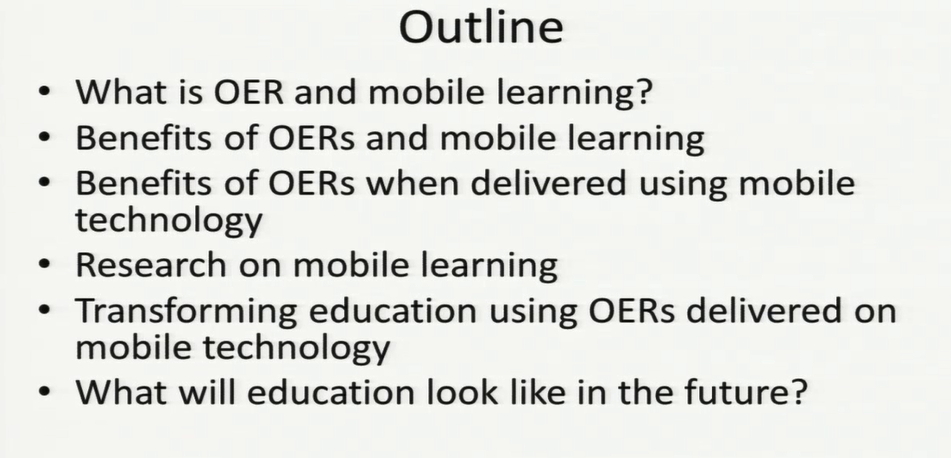
2014 이러닝 국제 콘퍼런스 : Open Education Resources with Mobile Learning to Transform Education
한국교육학술정보원 Mohamed Ally -
Himalayas: Mobile Learning
Teachers TV Teachers TV -

새롭게 떠오르는 스마트폰 테크놀로지
COURSERA Jong-Moon Chung
이 자료와 함께 이용한 RISS 자료
나만을 위한 추천자료


