


Urban regeneration projects are based on ideal assumptions that residents' participation is higher than in the past, urban planners perform well as experts, and residents' representatives for democratic implementation fully reflect the opinions of res...
다국어 입력
あ
ぁ
か
が
さ
ざ
た
だ
な
は
ば
ぱ
ま
や
ゃ
ら
わ
ゎ
ん
い
ぃ
き
ぎ
し
じ
ち
ぢ
に
ひ
び
ぴ
み
り
う
ぅ
く
ぐ
す
ず
つ
づ
っ
ぬ
ふ
ぶ
ぷ
む
ゆ
ゅ
る
え
ぇ
け
げ
せ
ぜ
て
で
ね
へ
べ
ぺ
め
れ
お
ぉ
こ
ご
そ
ぞ
と
ど
の
ほ
ぼ
ぽ
も
よ
ょ
ろ
を
ア
ァ
カ
サ
ザ
タ
ダ
ナ
ハ
バ
パ
マ
ヤ
ャ
ラ
ワ
ヮ
ン
イ
ィ
キ
ギ
シ
ジ
チ
ヂ
ニ
ヒ
ビ
ピ
ミ
リ
ウ
ゥ
ク
グ
ス
ズ
ツ
ヅ
ッ
ヌ
フ
ブ
プ
ム
ユ
ュ
ル
エ
ェ
ケ
ゲ
セ
ゼ
テ
デ
ヘ
ベ
ペ
メ
レ
オ
ォ
コ
ゴ
ソ
ゾ
ト
ド
ノ
ホ
ボ
ポ
モ
ヨ
ョ
ロ
ヲ
―
http://chineseinput.net/에서 pinyin(병음)방식으로 중국어를 변환할 수 있습니다.
변환된 중국어를 복사하여 사용하시면 됩니다.
예시)
- 中文 을 입력하시려면 zhongwen을 입력하시고 space를누르시면됩니다.
- 北京 을 입력하시려면 beijing을 입력하시고 space를 누르시면 됩니다.
А
Б
В
Г
Д
Е
Ё
Ж
З
И
Й
К
Л
М
Н
О
П
Р
С
Т
У
Ф
Х
Ц
Ч
Ш
Щ
Ъ
Ы
Ь
Э
Ю
Я
а
б
в
г
д
е
ё
ж
з
и
й
к
л
м
н
о
п
р
с
т
у
ф
х
ц
ч
ш
щ
ъ
ы
ь
э
ю
я
′
″
℃
Å
¢
£
¥
¤
℉
‰
$
%
F
₩
㎕
㎖
㎗
ℓ
㎘
㏄
㎣
㎤
㎥
㎦
㎙
㎚
㎛
㎜
㎝
㎞
㎟
㎠
㎡
㎢
㏊
㎍
㎎
㎏
㏏
㎈
㎉
㏈
㎧
㎨
㎰
㎱
㎲
㎳
㎴
㎵
㎶
㎷
㎸
㎹
㎀
㎁
㎂
㎃
㎄
㎺
㎻
㎽
㎾
㎿
㎐
㎑
㎒
㎓
㎔
Ω
㏀
㏁
㎊
㎋
㎌
㏖
㏅
㎭
㎮
㎯
㏛
㎩
㎪
㎫
㎬
㏝
㏐
㏓
㏃
㏉
㏜
㏆
도시재생사업 참여주체의 의사결정과 역할, 그리고 주민참여 수준에 대한 비판적 고찰 : 서울시 용산구 해방촌 사례를 중심으로 = Participants' behavior, experts' role and community participation level in urban regeneration : focusing on Haebangchon case, Yongsan-gu, Seoul
한글로보기https://www.riss.kr/link?id=T14797597
- 저자
-
발행사항
서울 : 서울市立大學校, 2018
-
학위논문사항
학위논문(박사) -- 서울市立大學校 大學院 , 都市工學科 , 2018
-
발행연도
2018
-
작성언어
한국어
- 주제어
-
KDC
539.7 판사항(6)
-
DDC
711.4 판사항(23)
-
발행국(도시)
서울
-
형태사항
xi, 242 p. : 삽화, 도표, 양식; 26 cm
-
일반주기명
지도교수: 姜明求
권말부록: 2014년 국토교통부 도시재생선도지역 지정 현황(총 13곳) 등
참고문헌: p. 214-219 -
소장기관
- 국립중앙도서관

- 서울시립대학교 도서관

- 국립중앙도서관
-
0
상세조회 -
0
다운로드
인용문이 복사되었습니다.
부가정보
다국어 초록 (Multilingual Abstract)

Urban regeneration projects are based on ideal assumptions that residents' participation is higher than in the past, urban planners perform well as experts, and residents' representatives for democratic implementation fully reflect the opinions of residents. However, according to many existing researches and experiences, even a seemingly democratic urban plan can be anti-democratic if it is not properly implemented and implemented properly. Alfasi(2003), through the example of Israel, showed that simple forms of residents' participation are dominated by vocal people and eventually in a non-democratic form.
Participation is necessary in terms of preventing authoritarianism of power, supplementing the weak points of the representative, securing the procedural legitimacy of the policy, and enhancing the feasibility of the policy. The actual level of participation is not improved due to lack of willingness to participate, lack of time, financial reason, lack of professionalism, lack of power.
The government strives to improve the convenience and welfare of residents, considers the public interest to be the highest priority, and the experts decide policies on behalf of the residents based on the belief that they establish a rational plan from a neutral standpoint. However, governments and experts, who play a crucial role in deciding policy, have lacked information on the specific situation and problems of the region, and the level and level of involvement may be different for various reasons. We are concerned about the voluntary participation of residents even though the level of participation of government or experts is low, even if the residents positively express their opinions, it takes long time to be reflected in the policy or it is not even reviewed.
The purpose of this study is to select three themes that should be considered in city planning in order to secure the procedural legitimacy of urban planning, increase the feasibility of the plan, and finally contribute to the improvement of welfare of the residents.(Participants’ Behavior, Experts’ Role and Community Participation Level) The above study has limitations in analyzing the external appearance, so it approaches qualitative methods focusing on analyzing the contents aspect deeply for a long period of time. Therefore, the study was conducted by observing one case deeply for more than two years.
This study did not aim at general evaluation of urban regeneration projects in Korea, nor to generalize the characteristics of urban regeneration projects in Korea. Instead, we will delve deeper and more critically into the decision-making, the level of community participation, and the role of urban planners, which are easily understood through in-depth exploration for many years. This will narrow the gap between the perceptions and actions of the people and the theories and practices of the government and the experts. The purpose of this study is to contribute to the realization of democracy by improving the level of participation and working more effectively in the decision-making process of triangle composed of residents, government, and experts, and to examine what is needed for urban planning to achieve better development.
From the viewpoint of public choice theory, the decision - making behavior and motivation of participants in urban regeneration projects were identified, and hypotheses about behavior and motivation were verified through field record and participation observation.
First, land owners who voluntarily participate will increase their participation motive and actively participate if economic reasons such as land price increase (or fall) through urban regeneration projects and social prestige increase. The tenant(the village activist) will actively participate if the value is realized rather than the economic reason, the achievement of the effort is derived and supported.
Second, from the viewpoint of public choice, public officials will participate actively when the chief engineer is interested and achieves individual goals through the outcomes. If the Chief Engineer is not interested or is facing difficulties to solve, full-time officers will delay the project or move the department, and term-time officials will delay the project.
Third, companies that maximize profits and generate profits will strive to maximize profits through minimizing costs, and will participate in agreeing to agreed plans rather than drawing new ideas.
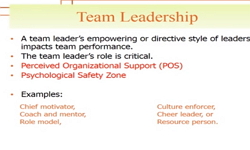
Fourth, the commissioned master・consultant planner can not concentrate on the urban regeneration project because the urban regeneration project is not a full-time job, and will endeavor to achieve minimum achievement with minimum efforts. In addition, the master・consultant planner will show Directing or Coaching leadership to the residents(There is interest in urban regeneration projects, but lack of ability), Supporting leadership for the enterprise(High work ability but low interest), and Delegating leadership for the public officials(More active participants in business than other participants).
The results of the contents analysis of the change of the decision making situation of the participant, the level of the citizen participation and the role of the urban planner are as follows.
First, the results of the analysis of the decision - making process of the participant, 1)The residents who own the land, participated for economic reason, exclude the specific group according to the sense of responsibility to the area and improve the social prestige. And the relationship between the residents and the information disclosure were encouraging participation. In addition, the tenant(the village activist) also participated in the personal expectation and achievement feeling in the meeting place with the people who can form the consensus and the economic reason influenced participation. And if the administration interferes, motivation for participation decreases. 2)Public officials participated for the purpose of individual or agency rather than business performance, and showed minimal effort only when the goal was difficult to achieve or the director 's interest was low. In the face of difficult to solve problems, full-time officers flew through departmental movements, successors delayed their decisions, and term-time officials retained the status quo. 3)Enterprise should increase efficiency through decision-making to minimize costs, prioritize opinions of contracting parties, actively participate in the business process outlined in the task content, and agree on agreed opinions. 4) The master・consultant planner made decisions for the benefit of the individual or the group to which they belonged, gave priority to the opinion of the public officials like the company, and kept the progress of the event and agreed passively on the agreed opinions. By showing supportive leadership to residents lacking maturity of business, they could be excluded from residents' resentment. The master planner exercised Delegating leadership to enterprise(to minimize the scope of work) to minimize effort and maintain a good relationship and showed the Supporting or Delegating leadership to the public officials.
Second, the results of analysis of the level of inhabitants participation are as follows; 1)Residents' participation at the first level, which provides administrative information, persisted, and 2)Overall residents' participation remained at the second level of requesting information. 3)The level of participation in the 3rd and 4th stage of discussing or cooperating with the government at the stage immediately before the planning was indicated, 4)As the time elapsed and experience accumulated, the participation level shifted to a lower level as time elapses, unlike the expectation that the resident capacity will be strengthened and the participation of the residents' cooperation will appear.
Third, as a result of analyzing the role of urban planners; 1)Overall, government-centered meetings were held, 2)The public officials participated in the planning process mainly through the role of the neutral administrative activist and the role of the entrepreneur rather than the enterprise in the planning process. The enterprise that performs the services ordered by the public officials played a role of the neutral administrative activist, mainly participating in the review of the matters requested by the public officials, and the master・consultant planner played the role of the planner mainly as an entrepreneur. 3)The role of the planner as advocate in the previous planning phase appeared to be extremely poor in public officials, 4)Overall, opinions and review results of the public officials were delivered in a top-down manner, and the enterprise and the master・consultant planner agreed passively, and opinions of public officials and other opinions were difficult to accept.
The main results of the study are as follows.
First, the government does not regard public value as a top priority, experts do not actively participate in rational planning, and urban regeneration projects do not improve the level of participation of residents. Nonetheless, we are based on the ideal premise that participation in the urban regeneration project will improve the level of residents' participation and that the government and experts participating in the project will always actively participate. In the decision-making process, it is not possible to force the public interest to take precedence over the participants who pursue their interests according to the expected value of the individual. In other words, it is difficult to derive the ideal result that we want from the policies implemented on the assumption that the participants give priority to the public interest. Therefore, improvement of the structural system should be preceded to achieve the individual goal through achieving the public goal.
Second, the policy making process of our society still does not deviate from the top-down decision making method based on public officials. Kuntala(2004) suggests that the government prioritizes scientific opinions of experts who are more outsiders than those who have diverse information and resources needed for planning. However, the results of the case analysis show that the public officials who have the practical decision-making authority over the experts who make the least efforts to achieve the goals of the individual or organization have the greatest influence on the planning process. Opinions reviewed by the public officials were given priority over the agreed opinions of the residents. This is the result of the participant having no authority to make policy decisions. It is possible to give participants a legitimate right according to their roles, prevent unnecessary conflicts in advance, and induce active participation, thereby avoiding a top-down decision-making system based on public officials.
This will contribute to the role of the public officer as a neutral administrative activist, the enterprise as an entrepreneur rather than the neutral administrative activist, and the master・consultant planner as an expert in the formation of community consensus. It will also help to build a viable plan for the residents away from the structural relationship that first reflects the direct subject of the contract.
Third, the master planner who oversees the urban regeneration project requires appropriate leadership in various situations that arise during the course of the project. In the long run, leadership is not desirable to support residents with poor performance or delegate authority to an enterprise that is not interested in the business. The master planner should be able to increase the participant's willingness to participate by demonstrating appropriate leadership considering the maturity of the participants and their degree of interest in the business.
The implications of this study can be summarized as follows.
First, it is confirmed that today's effort to raise the level of community participation is not realized in the field different from ‘intention’ or ‘horse'. In order to enable residents to ‘lead' as ‘masters' rather than ‘participation', institutional improvement is required and meaningful implications are given for role sharing and synergy enhancement for each major participant.
Second, it is meaningful to emphasize that it is very important not only the residents affected by the plan but also the government and the experts who play an important role in the policy making process through analysis of the decision-making process of the residents-public officials–experts. In addition, it suggests that the participation of residents can be effective when they are balanced.
Third, it is confirmed that the urban regeneration project is proceeding through the top-down decision making method unlike the intention. The reason why this phenomenon does not change is that we do not know exactly what the problem is. Therefore, this study suggests that it is necessary to improve the understanding of accurate reality prior to making an innovative alternative, and it is necessary to conduct qualitative analysis like this study in this sense.
Fourth, this study is meaningful in that it records the process of urban regeneration project of a specific site. This will contribute to preventing and minimizing conflicts with residents in other regions that are undergoing urban regeneration projects in the future. This will help improve the level of community participation and is consistent with the goals of urban regeneration projects.
If such qualitative research is sufficiently advanced and accumulated in the future, it is expected to improve the level of community participation and understanding of the role of urban planners and help set the direction of urban regeneration projects.
Urban regeneration projects are based on ideal assumptions that residents' participation is higher than in the past, urban planners perform well as experts, and residents' representatives for democratic implementation fully reflect the opinions of residents. However, according to many existing researches and experiences, even a seemingly democratic urban plan can be anti-democratic if it is not properly implemented and implemented properly. Alfasi(2003), through the example of Israel, showed that simple forms of residents' participation are dominated by vocal people and eventually in a non-democratic form.
Participation is necessary in terms of preventing authoritarianism of power, supplementing the weak points of the representative, securing the procedural legitimacy of the policy, and enhancing the feasibility of the policy. The actual level of participation is not improved due to lack of willingness to participate, lack of time, financial reason, lack of professionalism, lack of power.
The government strives to improve the convenience and welfare of residents, considers the public interest to be the highest priority, and the experts decide policies on behalf of the residents based on the belief that they establish a rational plan from a neutral standpoint. However, governments and experts, who play a crucial role in deciding policy, have lacked information on the specific situation and problems of the region, and the level and level of involvement may be different for various reasons. We are concerned about the voluntary participation of residents even though the level of participation of government or experts is low, even if the residents positively express their opinions, it takes long time to be reflected in the policy or it is not even reviewed.
The purpose of this study is to select three themes that should be considered in city planning in order to secure the procedural legitimacy of urban planning, increase the feasibility of the plan, and finally contribute to the improvement of welfare of the residents.(Participants’ Behavior, Experts’ Role and Community Participation Level) The above study has limitations in analyzing the external appearance, so it approaches qualitative methods focusing on analyzing the contents aspect deeply for a long period of time. Therefore, the study was conducted by observing one case deeply for more than two years.
This study did not aim at general evaluation of urban regeneration projects in Korea, nor to generalize the characteristics of urban regeneration projects in Korea. Instead, we will delve deeper and more critically into the decision-making, the level of community participation, and the role of urban planners, which are easily understood through in-depth exploration for many years. This will narrow the gap between the perceptions and actions of the people and the theories and practices of the government and the experts. The purpose of this study is to contribute to the realization of democracy by improving the level of participation and working more effectively in the decision-making process of triangle composed of residents, government, and experts, and to examine what is needed for urban planning to achieve better development.
From the viewpoint of public choice theory, the decision - making behavior and motivation of participants in urban regeneration projects were identified, and hypotheses about behavior and motivation were verified through field record and participation observation.
First, land owners who voluntarily participate will increase their participation motive and actively participate if economic reasons such as land price increase (or fall) through urban regeneration projects and social prestige increase. The tenant(the village activist) will actively participate if the value is realized rather than the economic reason, the achievement of the effort is derived and supported.
Second, from the viewpoint of public choice, public officials will participate actively when the chief engineer is interested and achieves individual goals through the outcomes. If the Chief Engineer is not interested or is facing difficulties to solve, full-time officers will delay the project or move the department, and term-time officials will delay the project.
Third, companies that maximize profits and generate profits will strive to maximize profits through minimizing costs, and will participate in agreeing to agreed plans rather than drawing new ideas.
Fourth, the commissioned master・consultant planner can not concentrate on the urban regeneration project because the urban regeneration project is not a full-time job, and will endeavor to achieve minimum achievement with minimum efforts. In addition, the master・consultant planner will show Directing or Coaching leadership to the residents(There is interest in urban regeneration projects, but lack of ability), Supporting leadership for the enterprise(High work ability but low interest), and Delegating leadership for the public officials(More active participants in business than other participants).
The results of the contents analysis of the change of the decision making situation of the participant, the level of the citizen participation and the role of the urban planner are as follows.
First, the results of the analysis of the decision - making process of the participant, 1)The residents who own the land, participated for economic reason, exclude the specific group according to the sense of responsibility to the area and improve the social prestige. And the relationship between the residents and the information disclosure were encouraging participation. In addition, the tenant(the village activist) also participated in the personal expectation and achievement feeling in the meeting place with the people who can form the consensus and the economic reason influenced participation. And if the administration interferes, motivation for participation decreases. 2)Public officials participated for the purpose of individual or agency rather than business performance, and showed minimal effort only when the goal was difficult to achieve or the director 's interest was low. In the face of difficult to solve problems, full-time officers flew through departmental movements, successors delayed their decisions, and term-time officials retained the status quo. 3)Enterprise should increase efficiency through decision-making to minimize costs, prioritize opinions of contracting parties, actively participate in the business process outlined in the task content, and agree on agreed opinions. 4) The master・consultant planner made decisions for the benefit of the individual or the group to which they belonged, gave priority to the opinion of the public officials like the company, and kept the progress of the event and agreed passively on the agreed opinions. By showing supportive leadership to residents lacking maturity of business, they could be excluded from residents' resentment. The master planner exercised Delegating leadership to enterprise(to minimize the scope of work) to minimize effort and maintain a good relationship and showed the Supporting or Delegating leadership to the public officials.
Second, the results of analysis of the level of inhabitants participation are as follows; 1)Residents' participation at the first level, which provides administrative information, persisted, and 2)Overall residents' participation remained at the second level of requesting information. 3)The level of participation in the 3rd and 4th stage of discussing or cooperating with the government at the stage immediately before the planning was indicated, 4)As the time elapsed and experience accumulated, the participation level shifted to a lower level as time elapses, unlike the expectation that the resident capacity will be strengthened and the participation of the residents' cooperation will appear.
Third, as a result of analyzing the role of urban planners; 1)Overall, government-centered meetings were held, 2)The public officials participated in the planning process mainly through the role of the neutral administrative activist and the role of the entrepreneur rather than the enterprise in the planning process. The enterprise that performs the services ordered by the public officials played a role of the neutral administrative activist, mainly participating in the review of the matters requested by the public officials, and the master・consultant planner played the role of the planner mainly as an entrepreneur. 3)The role of the planner as advocate in the previous planning phase appeared to be extremely poor in public officials, 4)Overall, opinions and review results of the public officials were delivered in a top-down manner, and the enterprise and the master・consultant planner agreed passively, and opinions of public officials and other opinions were difficult to accept.
The main results of the study are as follows.
First, the government does not regard public value as a top priority, experts do not actively participate in rational planning, and urban regeneration projects do not improve the level of participation of residents. Nonetheless, we are based on the ideal premise that participation in the urban regeneration project will improve the level of residents' participation and that the government and experts participating in the project will always actively participate. In the decision-making process, it is not possible to force the public interest to take precedence over the participants who pursue their interests according to the expected value of the individual. In other words, it is difficult to derive the ideal result that we want from the policies implemented on the assumption that the participants give priority to the public interest. Therefore, improvement of the structural system should be preceded to achieve the individual goal through achieving the public goal.
Second, the policy making process of our society still does not deviate from the top-down decision making method based on public officials. Kuntala(2004) suggests that the government prioritizes scientific opinions of experts who are more outsiders than those who have diverse information and resources needed for planning. However, the results of the case analysis show that the public officials who have the practical decision-making authority over the experts who make the least efforts to achieve the goals of the individual or organization have the greatest influence on the planning process. Opinions reviewed by the public officials were given priority over the agreed opinions of the residents. This is the result of the participant having no authority to make policy decisions. It is possible to give participants a legitimate right according to their roles, prevent unnecessary conflicts in advance, and induce active participation, thereby avoiding a top-down decision-making system based on public officials.
This will contribute to the role of the public officer as a neutral administrative activist, the enterprise as an entrepreneur rather than the neutral administrative activist, and the master・consultant planner as an expert in the formation of community consensus. It will also help to build a viable plan for the residents away from the structural relationship that first reflects the direct subject of the contract.
Third, the master planner who oversees the urban regeneration project requires appropriate leadership in various situations that arise during the course of the project. In the long run, leadership is not desirable to support residents with poor performance or delegate authority to an enterprise that is not interested in the business. The master planner should be able to increase the participant's willingness to participate by demonstrating appropriate leadership considering the maturity of the participants and their degree of interest in the business.
The implications of this study can be summarized as follows.
First, it is confirmed that today's effort to raise the level of community participation is not realized in the field different from ‘intention’ or ‘horse'. In order to enable residents to ‘lead' as ‘masters' rather than ‘participation', institutional improvement is required and meaningful implications are given for role sharing and synergy enhancement for each major participant.
Second, it is meaningful to emphasize that it is very important not only the residents affected by the plan but also the government and the experts who play an important role in the policy making process through analysis of the decision-making process of the residents-public officials–experts. In addition, it suggests that the participation of residents can be effective when they are balanced.
Third, it is confirmed that the urban regeneration project is proceeding through the top-down decision making method unlike the intention. The reason why this phenomenon does not change is that we do not know exactly what the problem is. Therefore, this study suggests that it is necessary to improve the understanding of accurate reality prior to making an innovative alternative, and it is necessary to conduct qualitative analysis like this study in this sense.
Fourth, this study is meaningful in that it records the process of urban regeneration project of a specific site. This will contribute to preventing and minimizing conflicts with residents in other regions that are undergoing urban regeneration projects in the future. This will help improve the level of community participation and is consistent with the goals of urban regeneration projects.
If such qualitative research is sufficiently advanced and accumulated in the future, it is expected to improve the level of community participation and understanding of the role of urban planners and help set the direction of urban regeneration projects.
국문 초록 (Abstract)
현재 진행되고 있는 도시재생사업은 주민참여가 과거보다 높은 수준으로 이루어지고, 도시계획가들은 전문가로서 역할을 잘 수행하고 있으며, 대의 민주주의를 실현하기 위해 구성된 주민대표단(주민협의체)은 주민들의 의견을 충분히 반영하고 있다는 이상적인 가정을 기초로 하고 있다. 하지만, 기존의 많은 연구와 경험에 따르면, 표면적으로 민주적으로 보이는 도시계획이라도 제대로 틀을 갖추고 잘 실행하지 않으면 오히려 반민주적이 될 수 있다. Alfasi(2003)는 이스라엘의 사례를 통해, 정교하지 않은 단순한 주민참여 방식은 오히려 목소리 큰 소수에 의해 좌지우지되어 결국 비민주적인 형태로 나타나고 있음을 보여주었다.
주민참여는 권력의 권위주의를 방지하고 대의제의 약점을 보완하며 정책의 절차적 정당성 확보 및 실행 가능성을 높인다는 측면에서 필요하나, 실제 주민은 참여의지가 부족하고, 시간적, 금전적 이유, 전문성의 결여, 권력의 부재 등으로 참여수준은 향상되지 못하고 있다.
정부는 주민의 편의와 복리증진을 위해 노력하고, 공익을 최우선의 가치로 여기고 있으며, 전문가들은 중립적 입장에서 합리적인 방향으로 계획을 수립한다는 믿음을 바탕으로 주민을 대신해서 정책을 결정한다. 그러나 정책결정 과정에서 결정적 역할을 하는 정부나 전문가들은 지역의 구체적 현황과 문제점에 대한 정보가 부족하고 참여수준과 역할 또한 다양한 이유로 제각각일 수 있음이 간과되어 왔다. 우리는 주민들이 적극적으로 참여해도 정부나 전문가들의 참여수준이 저조한 경우, 주민의 의견이 정책에 반영되는데 장시간 소요되거나, 검토조차 되지 않는 결과를 초래하고 있음에도 자발적 주민참여 만을 문제시하고 있음을 인지할 필요가 있다.
본 연구는 도시계획의 절차적 정당성을 확보하고 계획의 실행가능성을 높이며, 최종적으로 주민의 복지증진에 기여하기 위하여 우리나라 도시계획에서 깊이 생각해 보아야 할 3가지 주제(도시재생사업 참여주체의 의사결정 실태, 주민참여의 수준, 도시계획가의 역할)를 선택하여, 이들에 대하여 비판적으로 살펴보았다. 이러한 연구는 보여지는 외형적 모습을 분석하는 것으로는 한계가 있음을 감안하여, 내용적인 측면을 깊이 있게 오랜 기간 질적으로 분석하는데 초점을 두고 정성적 방법으로 접근하였다. 따라서 1개의 사례를 2년 이상 심층적으로 관찰 조사하는 방법으로 연구를 진행하였다.
본 연구는 하나의 사례를 통하여 우리나라에서 진행되고 있는 도시재생사업의 특성에 대하여 일반화를 도출하거나 평가를 목적으로 하지 않았다. 대신, 다년간의 깊이 있는 질적 탐구를 통하여 쉽게 회자되는 참여주체들의 의사결정, 주민참여 수준, 도시계획가의 역할에 대하여 보다 깊이 있게 그리고 비판적으로 고찰함으로써, 주민들의 인식과 행동에서 발생하는 차이와 정부와 전문가들의 이론과 실무의 간극을 좁히고자 하였다. 주민, 정부, 전문가로 구성된 삼각구도가 정책결정 과정에서 보다 효과적으로 작동하고 주민의 참여수준 향상을 통한 대의 민주주의 실현에 기여하고자 하며, 도시계획이 더 나은 발전을 이루기 위해서 필요한 것이 무엇인지 고찰하는 것을 목적으로 하였다.
공공선택론의 입장에서 도시재생사업 참여자들의 의사결정 행태와 동기를 파악하고 이러한 행태와 동기에 입각해 이들이 의사결정을 진행해 나갈 때 필연적으로 귀결될 수 밖에 없는 결과를 다음과 같이 상정한 뒤 현장기록과 참여관찰을 통해 행태와 동기에 대한 제반 가설을 검증하였다.
첫째, 자발적 참여를 전제로 한 주민 중 토지 등 소유자는 도시재생사업을 통한 지가상승(또는 하락) 등 경제적 이유와 사회적 위신(지역 주민의 인정 등)이 상승하는 경우 참여 동기가 커지고, 참여가 활발해지지만 그렇지 않을 경우 참여는 저조해 질 것이다. 세입자(마을활동가)는 경제적 이유보다 본인들의 가치관이 실현되거나 노력에 대한 성과가 도출되고 지지를 받는 경우 적극적으로 참여할 것이다.
둘째, 공무원은 도시재생사업 성과 그 자체보다 사업진행 과정에서 기관장의 관심이 높거나 도출되는 성과를 통하여 개인적 목표를 달성할 수 있을 때 적극적으로 참여할 것이다. 기관장의 관심도가 낮거나 해결하기 어려운 문제에 직면하면 정규직 공무원은 부서를 이동하고, 임기제 공무원은 사업을 지연시킬 것이다.
셋째, 민간전문 용역회사는 비용 최소화를 통하여 기업의 이윤극대화와 수익창출을 위해 노력할 것이며, 자발적으로 새로운 아이디어를 도출하기보다 합의된 계획에 동의하는 행태의 참여를 나타낼 것이다.
넷째, 총괄・자문계획가는 도시재생사업이 전업(專業)이 아니기 때문에 도시재생사업에만 전념할 수 없으며, 최소한의 노력으로 최소한의 제도적 성과를 거두고자 할 것이다. 또한 총괄・자문계획가는 도시재생사업에 대한 관심은 있으나 사업추진과 관련하여 전문적 지식이 부족한 주민들에게는 지시형(Directing)이나, 코치형(Coaching) 리더십이, 업무처리 능력은 우수하지만 사업에 대한 관심이 적은 민간전문 용역회사에게는 지지형(Supporting) 리더십이, 다른 참여주체들 보다 적극적으로 사업에 관여할 수 밖에 없는 공무원에게는 권한위임형(Delegating) 리더십이 나타날 것이다.
도시재생사업에 대한 참여관찰과 현장기록에 대한 내용분석을 통해 도시재생사업 참여주체의 의사결정 실태와 주민참여 수준의 변화, 도시계획가의 역할을 살펴본 결과 다음과 같다.
첫째, 참여주체의 의사결정 실태 분석결과, 1)토지 등 소유자인 주민은 경제적 이유, 지역에 대한 책임감, 사회적 위신 향상을 위해 참여하였으며, 주민 간 형성된 유대관계와 정보의 공개여부가 참여를 유도하였다. 세입자(마을활동가) 역시 경제적 이유가 참여에 영향을 미쳤으며, 공감대를 형성할 수 있는 사람들과 모인자리에서 개인적 기대감과 성취감을 위해 참여하고, 행정의 간섭이 발생하는 경우 참여의 동기는 감소하였다. 2)공무원은 사업성과 그 자체보다 개인이나 소속기관의 목표를 위해 참여하였으며, 목표달성이 어렵거나 기관장의 관심이 저조한 경우 최소한의 노력만을 나타냈다. 해결하기 어려운 문제에 직면하면 정규직 공무원은 인사고충제도를 이용해 부서를 이동하고, 후임자는 결정을 지연시켰으며, 임기제 공무원은 현상을 유지하는 것으로 나타났다. 3)민간전문 용역회사는 비용을 최소화하기 위한 의사결정을 통해 기업의 효율성을 높이고, 계약당사자인 서울시 의견을 우선시하였으며, 과업내용서에 명시되어 있는 내용을 축소해석하고, 합의된 의견에 동의하는 수동적 참여행태를 나타냈다. 4)총괄・자문계획가는 공무원과 마찬가지로 개인이나 개인이 속한 집단의 이익을 위한 결정을 하고, 민간전문 용역회사와 같이 위촉기관의 의견을 우선시 하는 등 별다른 의견 없이 행사진행을 방관하였으며, 합의된 의견에 수동적으로 동의하였다. 사업에 대한 성숙도가 부족한 주민에게 지지형(Supporting) 리더십을 보임으로써 주민의 원망대상에서 배제될 수 있었고, 과업범위를 최소화하고자 하는 민간전문 용역회사에게 권한위임형(Delegating) 리더십을 발휘하여 노력을 최소화 하고 원만한 관계를 유지하였으며, 공무원에게는 지지형(Supporting)과 권한위임형(Delegating) 리더십을 나타냈다.
둘째, 주민참여 수준 분석결과, 1)행정이 정보를 제공하는 1단계 수준의 주민참여는 지속적으로 나타났으며, 2)전반적으로 주민참여는 행정에 정보의 제공을 요청하는 2단계 수준에 머물렀다. 3)계획수립 직전 단계에서 정부와 논의하거나 서로 협력하는 3, 4단계의 참여수준이 나타났고, 4)시간이 경과하고 경험이 축적됨에 따라 주민역량이 강화되어 주민 간 협력하는 행태의 적극적 주민참여가 나타날 것이라는 기대와 다르게 시간이 경과함에 따라 참여수준은 더 낮은 단계로 이동하였다.
셋째, 도시계획가의 역할 분석결과, 1)전반적으로 공무원 중심의 회의가 진행되었으며, 2)공무원은 계획수립 과정에서 중립적 행정활동가의 역할과 함께 외부 민간전문가들 보다 적극적으로 기업가의 역할을 하고 있는 것으로 나타났다. 공무원이 발주한 용역을 수행하는 민간전문 용역회사는 공무원이 요청하는 사항에 대하여 행정적인 부분을 주로 검토(중립적 행정활동가) 하였으며, 총괄・자문계획가는 기업가로서 계획가의 역할을 수행하고 있었다. 3)옹호자로서 계획가의 역할은 계획 수립 전 단계에서 극히 미비하게 공무원에게서 나타났으며, 4)전반적으로 공무원의 의견과 검토 결과가 하향식으로 전달되고, 민간전문 용역회사와 총괄・자문계획가는 수동적으로 동의하였으며, 공무원의 견해와 다른 전문가의 의견은 받아들여지기 어려웠다.
연구를 통해 도출된 주요 연구결과는 다음과 같다.
첫째, 정부는 공직가치를 최우선으로 여기기 않으며, 전문가들은 합리적 계획을 수립하기 위해 적극적으로 참여하지 않고, 도시재생사업은 주민의 참여수준을 향상시키지 못하고 있다. 그럼에도 우리는 도시재생사업 시행을 통해 주민참여 수준은 향상될 것이며, 사업에 참여하는 정부와 전문가들은 늘 적극적으로 참여할 것이라는 이상적인 전제를 기초로 하고 있다. 의사결정 과정에서 개인의 기대가치에 따라 사익을 우선 추구하는 참여주체들에게 조건 없이 공익을 우선시 하도록 강요하는 것은 정책결정 과정에 반영되어 시행되기 어렵다. 즉, 참여주체들이 공익을 우선시 한다는 전제로 시행되는 대부분의 정책들은 우리가 바라는 이상적인 결과를 도출할 수 없게 된다. 따라서 공적목표 달성을 통해 개인의 사적목표에 도달할 수 있도록 구조적 제도의 개선이 선행되어야 한다.
둘째, 우리사회의 정책결정 과정은 아직까지 공무원 중심의 하향식 의사결정 방식에서 벗어나지 못하고 있다. Kuntala(2004)는 정부가 계획을 수립하는 과정에서 지역사회의 다양한 정보와 자원을 가지고 있는 주민보다 외부인인 전문가의 과학적 견해를 우선시하고 있다고 하였다. 그러나 사례분석 결과 개인이나 소속기관의 목표달성을 위해 최소한의 노력을 하는 전문가보다 실질적인 정책결정 권한을 가진 공무원이 계획수립 과정에 가장 큰 영향력을 가지고 있으며, 주민의 합의된 의견에 대한 검토보다 공무원 조직 내부에서 검토된 의견이 전달되고, 결정되고 있다. 이는 참여주체들의 정책결정 권한의 부재에 따른 결과이다. 우리는 공무원 중심의 하향식 의사결정 방식에서 탈피하기 위해 표면적으로 민주적으로 보이는 정책결정 과정에 대한 고민 이전에 본질적으로 참여주체들에게 역할에 따른 정당한 권한을 부여함으로써 불필요한 갈등을 사전에 예방하고 적극적 참여를 유도할 수 있다. 이는 공무원이 중립적 행정활동가로, 민간전문 용역회사는 더 이상 공무원을 보조하는 중립적 행정활동가가 아닌 기업가의 역할을, 총괄・자문계획가는 지역사회 합의형성을 위한 전문가의 역할을 할 수 있도록 기여할 것이며, 계약의 직접적인 주체의 의견을 우선 반영하는 구조적 관계에서 벗어나 주민을 위한 실행 가능한 계획을 수립하는데 일조할 것이다.
셋째, 도시재생사업을 총괄하는 총괄계획가는 사업 진행과정에서 발생하는 다양한 상황에서 적절한 리더십을 고려해야 한다. 업무에 대한 성숙도가 낮은 주민들을 지지하거나 사업에 대한 관심이 적은 민간전문 용역회사에게 권한을 위임하는 형태의 리더십은 장기적인 관점에서 바람직하지 않다는 점을 인식해야 하며, 참여주체들의 업무성숙도와 사업에 대한 관심정도를 고려하여 적정한 리더십을 발휘함으로써 참여주체들의 참여의지를 높일 수 있어야 한다.
본 연구의 시사점은 다음과 같이 요약될 수 있다.
첫째, 주민의 참여수준을 높이려고 하는 오늘날의 노력이 ‘의도’ 또는 ‘말’과 다르게 현장에서 구현되지 않고 있음을 실증적으로 확인함으로써 향후 주민들이 ‘참여’가 아닌 ‘주인’으로서 ‘주도’할 수 있도록 하기 위해서는 제도적 개선이 요구되며, 참여주체별 역할분담 및 시너지 제고에 대하여 의미 있는 함의를 제공하였다.
둘째, 주민 정부 전문가의 참여 의사결정 실태분석을 통해 계획에 실질적으로 영향을 받는 주민 뿐 아니라 정책결정 과정에서 중요한 역할을 하는 정부와 전문가의 역할 역시 매우 중요함을 상기시켰다는 점에서 의미가 있으며, 이들의 삼각구도가 균형을 이룰 때 비로소 주민참여가 효과적으로 나타날 수 있음을 제시하였다.
셋째, 도시재생사업이 의도와 다르게, 정부의 의견이 우선시되는 관주도의 계획이 하향식 의사결정 방식을 통하여 수립되고 있음을 확인하였다. 이러한 현상이 바뀌지 않고 있는 이유는 아직까지 우리가 문제에 대해서 정확히 파악하지 못하고 있기 때문이다. 따라서 본 연구는 참신한 대안을 만들기 이전에 정확한 현실에 대한 이해를 높이는 것이 우선이며, 그런 의미에서 본 연구와 같은 질적 분석이 진행될 필요가 있음을 시사하였다.
넷째, 본 연구는 특정 대상지의 도시재생사업 추진과정에서 진행된 회의내용을 기록화 했다는 점에서 의의가 있다. 이는 향후 도시재생사업을 진행하는 다른 지역에서 주민과의 갈등을 사전에 예방하고 이를 최소화하는데 기여할 수 있을 것으로 판단된다. 이는 주민참여 수준을 향상시키는데 일조할 것이며 결국 도시재생사업의 목표와 부합할 수 있을 것이다.
향후 이러한 질적 연구가 충분히 진행되고 축적된다면, 주민 참여수준의 향상과 도시계획가의 역할에 대한 이해를 높이고 도시재생사업의 적절한 방향설정에 도움을 줄 것으로 기대된다.
현재 진행되고 있는 도시재생사업은 주민참여가 과거보다 높은 수준으로 이루어지고, 도시계획가들은 전문가로서 역할을 잘 수행하고 있으며, 대의 민주주의를 실현하기 위해 구성된 주민...
현재 진행되고 있는 도시재생사업은 주민참여가 과거보다 높은 수준으로 이루어지고, 도시계획가들은 전문가로서 역할을 잘 수행하고 있으며, 대의 민주주의를 실현하기 위해 구성된 주민대표단(주민협의체)은 주민들의 의견을 충분히 반영하고 있다는 이상적인 가정을 기초로 하고 있다. 하지만, 기존의 많은 연구와 경험에 따르면, 표면적으로 민주적으로 보이는 도시계획이라도 제대로 틀을 갖추고 잘 실행하지 않으면 오히려 반민주적이 될 수 있다. Alfasi(2003)는 이스라엘의 사례를 통해, 정교하지 않은 단순한 주민참여 방식은 오히려 목소리 큰 소수에 의해 좌지우지되어 결국 비민주적인 형태로 나타나고 있음을 보여주었다.
주민참여는 권력의 권위주의를 방지하고 대의제의 약점을 보완하며 정책의 절차적 정당성 확보 및 실행 가능성을 높인다는 측면에서 필요하나, 실제 주민은 참여의지가 부족하고, 시간적, 금전적 이유, 전문성의 결여, 권력의 부재 등으로 참여수준은 향상되지 못하고 있다.
정부는 주민의 편의와 복리증진을 위해 노력하고, 공익을 최우선의 가치로 여기고 있으며, 전문가들은 중립적 입장에서 합리적인 방향으로 계획을 수립한다는 믿음을 바탕으로 주민을 대신해서 정책을 결정한다. 그러나 정책결정 과정에서 결정적 역할을 하는 정부나 전문가들은 지역의 구체적 현황과 문제점에 대한 정보가 부족하고 참여수준과 역할 또한 다양한 이유로 제각각일 수 있음이 간과되어 왔다. 우리는 주민들이 적극적으로 참여해도 정부나 전문가들의 참여수준이 저조한 경우, 주민의 의견이 정책에 반영되는데 장시간 소요되거나, 검토조차 되지 않는 결과를 초래하고 있음에도 자발적 주민참여 만을 문제시하고 있음을 인지할 필요가 있다.
본 연구는 도시계획의 절차적 정당성을 확보하고 계획의 실행가능성을 높이며, 최종적으로 주민의 복지증진에 기여하기 위하여 우리나라 도시계획에서 깊이 생각해 보아야 할 3가지 주제(도시재생사업 참여주체의 의사결정 실태, 주민참여의 수준, 도시계획가의 역할)를 선택하여, 이들에 대하여 비판적으로 살펴보았다. 이러한 연구는 보여지는 외형적 모습을 분석하는 것으로는 한계가 있음을 감안하여, 내용적인 측면을 깊이 있게 오랜 기간 질적으로 분석하는데 초점을 두고 정성적 방법으로 접근하였다. 따라서 1개의 사례를 2년 이상 심층적으로 관찰 조사하는 방법으로 연구를 진행하였다.
본 연구는 하나의 사례를 통하여 우리나라에서 진행되고 있는 도시재생사업의 특성에 대하여 일반화를 도출하거나 평가를 목적으로 하지 않았다. 대신, 다년간의 깊이 있는 질적 탐구를 통하여 쉽게 회자되는 참여주체들의 의사결정, 주민참여 수준, 도시계획가의 역할에 대하여 보다 깊이 있게 그리고 비판적으로 고찰함으로써, 주민들의 인식과 행동에서 발생하는 차이와 정부와 전문가들의 이론과 실무의 간극을 좁히고자 하였다. 주민, 정부, 전문가로 구성된 삼각구도가 정책결정 과정에서 보다 효과적으로 작동하고 주민의 참여수준 향상을 통한 대의 민주주의 실현에 기여하고자 하며, 도시계획이 더 나은 발전을 이루기 위해서 필요한 것이 무엇인지 고찰하는 것을 목적으로 하였다.
공공선택론의 입장에서 도시재생사업 참여자들의 의사결정 행태와 동기를 파악하고 이러한 행태와 동기에 입각해 이들이 의사결정을 진행해 나갈 때 필연적으로 귀결될 수 밖에 없는 결과를 다음과 같이 상정한 뒤 현장기록과 참여관찰을 통해 행태와 동기에 대한 제반 가설을 검증하였다.
첫째, 자발적 참여를 전제로 한 주민 중 토지 등 소유자는 도시재생사업을 통한 지가상승(또는 하락) 등 경제적 이유와 사회적 위신(지역 주민의 인정 등)이 상승하는 경우 참여 동기가 커지고, 참여가 활발해지지만 그렇지 않을 경우 참여는 저조해 질 것이다. 세입자(마을활동가)는 경제적 이유보다 본인들의 가치관이 실현되거나 노력에 대한 성과가 도출되고 지지를 받는 경우 적극적으로 참여할 것이다.
둘째, 공무원은 도시재생사업 성과 그 자체보다 사업진행 과정에서 기관장의 관심이 높거나 도출되는 성과를 통하여 개인적 목표를 달성할 수 있을 때 적극적으로 참여할 것이다. 기관장의 관심도가 낮거나 해결하기 어려운 문제에 직면하면 정규직 공무원은 부서를 이동하고, 임기제 공무원은 사업을 지연시킬 것이다.
셋째, 민간전문 용역회사는 비용 최소화를 통하여 기업의 이윤극대화와 수익창출을 위해 노력할 것이며, 자발적으로 새로운 아이디어를 도출하기보다 합의된 계획에 동의하는 행태의 참여를 나타낼 것이다.
넷째, 총괄・자문계획가는 도시재생사업이 전업(專業)이 아니기 때문에 도시재생사업에만 전념할 수 없으며, 최소한의 노력으로 최소한의 제도적 성과를 거두고자 할 것이다. 또한 총괄・자문계획가는 도시재생사업에 대한 관심은 있으나 사업추진과 관련하여 전문적 지식이 부족한 주민들에게는 지시형(Directing)이나, 코치형(Coaching) 리더십이, 업무처리 능력은 우수하지만 사업에 대한 관심이 적은 민간전문 용역회사에게는 지지형(Supporting) 리더십이, 다른 참여주체들 보다 적극적으로 사업에 관여할 수 밖에 없는 공무원에게는 권한위임형(Delegating) 리더십이 나타날 것이다.
도시재생사업에 대한 참여관찰과 현장기록에 대한 내용분석을 통해 도시재생사업 참여주체의 의사결정 실태와 주민참여 수준의 변화, 도시계획가의 역할을 살펴본 결과 다음과 같다.
첫째, 참여주체의 의사결정 실태 분석결과, 1)토지 등 소유자인 주민은 경제적 이유, 지역에 대한 책임감, 사회적 위신 향상을 위해 참여하였으며, 주민 간 형성된 유대관계와 정보의 공개여부가 참여를 유도하였다. 세입자(마을활동가) 역시 경제적 이유가 참여에 영향을 미쳤으며, 공감대를 형성할 수 있는 사람들과 모인자리에서 개인적 기대감과 성취감을 위해 참여하고, 행정의 간섭이 발생하는 경우 참여의 동기는 감소하였다. 2)공무원은 사업성과 그 자체보다 개인이나 소속기관의 목표를 위해 참여하였으며, 목표달성이 어렵거나 기관장의 관심이 저조한 경우 최소한의 노력만을 나타냈다. 해결하기 어려운 문제에 직면하면 정규직 공무원은 인사고충제도를 이용해 부서를 이동하고, 후임자는 결정을 지연시켰으며, 임기제 공무원은 현상을 유지하는 것으로 나타났다. 3)민간전문 용역회사는 비용을 최소화하기 위한 의사결정을 통해 기업의 효율성을 높이고, 계약당사자인 서울시 의견을 우선시하였으며, 과업내용서에 명시되어 있는 내용을 축소해석하고, 합의된 의견에 동의하는 수동적 참여행태를 나타냈다. 4)총괄・자문계획가는 공무원과 마찬가지로 개인이나 개인이 속한 집단의 이익을 위한 결정을 하고, 민간전문 용역회사와 같이 위촉기관의 의견을 우선시 하는 등 별다른 의견 없이 행사진행을 방관하였으며, 합의된 의견에 수동적으로 동의하였다. 사업에 대한 성숙도가 부족한 주민에게 지지형(Supporting) 리더십을 보임으로써 주민의 원망대상에서 배제될 수 있었고, 과업범위를 최소화하고자 하는 민간전문 용역회사에게 권한위임형(Delegating) 리더십을 발휘하여 노력을 최소화 하고 원만한 관계를 유지하였으며, 공무원에게는 지지형(Supporting)과 권한위임형(Delegating) 리더십을 나타냈다.
둘째, 주민참여 수준 분석결과, 1)행정이 정보를 제공하는 1단계 수준의 주민참여는 지속적으로 나타났으며, 2)전반적으로 주민참여는 행정에 정보의 제공을 요청하는 2단계 수준에 머물렀다. 3)계획수립 직전 단계에서 정부와 논의하거나 서로 협력하는 3, 4단계의 참여수준이 나타났고, 4)시간이 경과하고 경험이 축적됨에 따라 주민역량이 강화되어 주민 간 협력하는 행태의 적극적 주민참여가 나타날 것이라는 기대와 다르게 시간이 경과함에 따라 참여수준은 더 낮은 단계로 이동하였다.
셋째, 도시계획가의 역할 분석결과, 1)전반적으로 공무원 중심의 회의가 진행되었으며, 2)공무원은 계획수립 과정에서 중립적 행정활동가의 역할과 함께 외부 민간전문가들 보다 적극적으로 기업가의 역할을 하고 있는 것으로 나타났다. 공무원이 발주한 용역을 수행하는 민간전문 용역회사는 공무원이 요청하는 사항에 대하여 행정적인 부분을 주로 검토(중립적 행정활동가) 하였으며, 총괄・자문계획가는 기업가로서 계획가의 역할을 수행하고 있었다. 3)옹호자로서 계획가의 역할은 계획 수립 전 단계에서 극히 미비하게 공무원에게서 나타났으며, 4)전반적으로 공무원의 의견과 검토 결과가 하향식으로 전달되고, 민간전문 용역회사와 총괄・자문계획가는 수동적으로 동의하였으며, 공무원의 견해와 다른 전문가의 의견은 받아들여지기 어려웠다.
연구를 통해 도출된 주요 연구결과는 다음과 같다.
첫째, 정부는 공직가치를 최우선으로 여기기 않으며, 전문가들은 합리적 계획을 수립하기 위해 적극적으로 참여하지 않고, 도시재생사업은 주민의 참여수준을 향상시키지 못하고 있다. 그럼에도 우리는 도시재생사업 시행을 통해 주민참여 수준은 향상될 것이며, 사업에 참여하는 정부와 전문가들은 늘 적극적으로 참여할 것이라는 이상적인 전제를 기초로 하고 있다. 의사결정 과정에서 개인의 기대가치에 따라 사익을 우선 추구하는 참여주체들에게 조건 없이 공익을 우선시 하도록 강요하는 것은 정책결정 과정에 반영되어 시행되기 어렵다. 즉, 참여주체들이 공익을 우선시 한다는 전제로 시행되는 대부분의 정책들은 우리가 바라는 이상적인 결과를 도출할 수 없게 된다. 따라서 공적목표 달성을 통해 개인의 사적목표에 도달할 수 있도록 구조적 제도의 개선이 선행되어야 한다.
둘째, 우리사회의 정책결정 과정은 아직까지 공무원 중심의 하향식 의사결정 방식에서 벗어나지 못하고 있다. Kuntala(2004)는 정부가 계획을 수립하는 과정에서 지역사회의 다양한 정보와 자원을 가지고 있는 주민보다 외부인인 전문가의 과학적 견해를 우선시하고 있다고 하였다. 그러나 사례분석 결과 개인이나 소속기관의 목표달성을 위해 최소한의 노력을 하는 전문가보다 실질적인 정책결정 권한을 가진 공무원이 계획수립 과정에 가장 큰 영향력을 가지고 있으며, 주민의 합의된 의견에 대한 검토보다 공무원 조직 내부에서 검토된 의견이 전달되고, 결정되고 있다. 이는 참여주체들의 정책결정 권한의 부재에 따른 결과이다. 우리는 공무원 중심의 하향식 의사결정 방식에서 탈피하기 위해 표면적으로 민주적으로 보이는 정책결정 과정에 대한 고민 이전에 본질적으로 참여주체들에게 역할에 따른 정당한 권한을 부여함으로써 불필요한 갈등을 사전에 예방하고 적극적 참여를 유도할 수 있다. 이는 공무원이 중립적 행정활동가로, 민간전문 용역회사는 더 이상 공무원을 보조하는 중립적 행정활동가가 아닌 기업가의 역할을, 총괄・자문계획가는 지역사회 합의형성을 위한 전문가의 역할을 할 수 있도록 기여할 것이며, 계약의 직접적인 주체의 의견을 우선 반영하는 구조적 관계에서 벗어나 주민을 위한 실행 가능한 계획을 수립하는데 일조할 것이다.
셋째, 도시재생사업을 총괄하는 총괄계획가는 사업 진행과정에서 발생하는 다양한 상황에서 적절한 리더십을 고려해야 한다. 업무에 대한 성숙도가 낮은 주민들을 지지하거나 사업에 대한 관심이 적은 민간전문 용역회사에게 권한을 위임하는 형태의 리더십은 장기적인 관점에서 바람직하지 않다는 점을 인식해야 하며, 참여주체들의 업무성숙도와 사업에 대한 관심정도를 고려하여 적정한 리더십을 발휘함으로써 참여주체들의 참여의지를 높일 수 있어야 한다.
본 연구의 시사점은 다음과 같이 요약될 수 있다.
첫째, 주민의 참여수준을 높이려고 하는 오늘날의 노력이 ‘의도’ 또는 ‘말’과 다르게 현장에서 구현되지 않고 있음을 실증적으로 확인함으로써 향후 주민들이 ‘참여’가 아닌 ‘주인’으로서 ‘주도’할 수 있도록 하기 위해서는 제도적 개선이 요구되며, 참여주체별 역할분담 및 시너지 제고에 대하여 의미 있는 함의를 제공하였다.
둘째, 주민 정부 전문가의 참여 의사결정 실태분석을 통해 계획에 실질적으로 영향을 받는 주민 뿐 아니라 정책결정 과정에서 중요한 역할을 하는 정부와 전문가의 역할 역시 매우 중요함을 상기시켰다는 점에서 의미가 있으며, 이들의 삼각구도가 균형을 이룰 때 비로소 주민참여가 효과적으로 나타날 수 있음을 제시하였다.
셋째, 도시재생사업이 의도와 다르게, 정부의 의견이 우선시되는 관주도의 계획이 하향식 의사결정 방식을 통하여 수립되고 있음을 확인하였다. 이러한 현상이 바뀌지 않고 있는 이유는 아직까지 우리가 문제에 대해서 정확히 파악하지 못하고 있기 때문이다. 따라서 본 연구는 참신한 대안을 만들기 이전에 정확한 현실에 대한 이해를 높이는 것이 우선이며, 그런 의미에서 본 연구와 같은 질적 분석이 진행될 필요가 있음을 시사하였다.
넷째, 본 연구는 특정 대상지의 도시재생사업 추진과정에서 진행된 회의내용을 기록화 했다는 점에서 의의가 있다. 이는 향후 도시재생사업을 진행하는 다른 지역에서 주민과의 갈등을 사전에 예방하고 이를 최소화하는데 기여할 수 있을 것으로 판단된다. 이는 주민참여 수준을 향상시키는데 일조할 것이며 결국 도시재생사업의 목표와 부합할 수 있을 것이다.
향후 이러한 질적 연구가 충분히 진행되고 축적된다면, 주민 참여수준의 향상과 도시계획가의 역할에 대한 이해를 높이고 도시재생사업의 적절한 방향설정에 도움을 줄 것으로 기대된다.
목차 (Table of Contents)
- 제1장 서론 1
- 제1절 연구의 배경 및 목적 1
- 제2절 연구의 범위 및 방법 7
- 1. 연구의 범위 7
- 2. 연구의 방법 10
- 제1장 서론 1
- 제1절 연구의 배경 및 목적 1
- 제2절 연구의 범위 및 방법 7
- 1. 연구의 범위 7
- 2. 연구의 방법 10
- 제3절 연구의 흐름 13
- 제2장 연구의 이론적 배경 및 선행연구 검토 14
- 제1절 연구의 이론적 배경 17
- 1. 침묵의 나선형이론 17
- 2. 관료제와 공공선택이론 19
- 1) 공공선택이론의 개념 21
- 2) 공공선택이론의 기본전제 24
- 3) 공공선택이론에 따른 정부의 선택 25
- 3. 리더십이론 26
- 1) 리더십 이론의 변천 26
- 2) 현대 리더십 이론 30
- 3) P. Hersey & K. Blanchard의 상황이론 31
- 제2절 선행연구 검토 34
- 1. 참여자의 의사결정에 관한 연구 34
- 1) 공무원의 의사결정 34
- 2) 주민의 의사결정 36
- 2. 주민참여의 필요성에 관한 연구 39
- 3. 주민참여의 실태에 관한 연구 44
- 4. 주민참여의 수준에 관한 연구 45
- 5. 계획가의 역할에 관한 연구 53
- 6. 참여자 역할에 대한 상호이해의 중요성에 관한 연구 55
- 7. 기존연구의 시사점 및 한계 58
- 제3장 분석의 틀 62
- 제1절 시나리오 설정 64
- 제2절 기초자료 분석 72
- 1. 회의록 자료 분석 72
- 1) 합동회의 회의록 72
- 2) 소통회의 회의록 73
- 제3절 분석방법 74
- 1. 주민참여 수준 구분 74
- 2. 도시계획가의 역할 구분 77
- 3. 사업시행 단계 구분 82
- 4. 분석방법 86
- 제4장 대상지 일반현황 88
- 제1절 개요 88
- 1. 사업개요 88
- 2. 해방촌 도시재생활성화계획 91
- 3. 해방촌 도시재생지원센터 현황 92
- 제2절 도시재생사업 참여자 현황 및 역할 95
- 1. 공무원 96
- 1) 담당 공무원 현황 96
- 2) 서울시 도시재생 협력 TF 구성 98
- 3) 용산구 행정지원협의회 구성 99
- 2. 전문가 101
- 1) 민간전문 용역회사 101
- 2) 총괄・자문계획가 101
- 3) 기술・자문 위원회 104
- 3. 주민협의체 105
- 1) 시기별 회원가입 현황 105
- 2) 성별 및 연령에 따른 인구 구성현황 107
- 3) 직업별 구성현황 109
- 4) 거주형태별 구성현황 111
- 5) 주민협의체 및 임원구성 112
- 제3절 소결 117
- 제5장 분석결과 119
- 제1절 참여자들의 의사결정 실태분석 119
- 1. 책임의식을 둘러싼 갈등 119
- 1) 주민설명회, 분과위원회 운영 119
- 2) 주민협의체 임원선거 123
- 2. 참여수준 정도 124
- 1) 주민공동이용시설 조성 124
- 2) 주민공모사업 시행 125
- 3) 정보공유 및 공개 126
- 4) 해방촌 토요놀이마당 127
- 5) 크리스마스트리 설치 130
- 3. 도시계획가의 역할 132
- 1) 신흥시장 활성화사업 추진 132
- 2) 해방촌 축제(HBC Festival) 134
- 4. 계약관계 등 구조적 갈등 136
- 1) 업무실적 및 보도자료 136
- 2) 시유지 공용주차장 복합화 추진 137
- 3) 공무원의 참여 139
- 4) 민간전문 용역회사의 참여 140
- 5) 총괄・자문계획가의 참여 142
- 5. 소결 143
- 제2절 주민참여 수준에 대한 분석 148
- 1. 사업시행 단계별 주민참여 수준 실태 148
- 2. 사업계획 수립에 따른 주민참여 수준 변화 170
- 3. 사업계획 수립 전・후 주민참여 수준 변화 171
- 4. 사업시행 단계별 주민참여 수준 변화 173
- 5. 소결 177
- 제3절 도시계획가의 역할 분석 178
- 1. 사업시행 단계별 도시계획가의 역할 179
- 2. 도시계획 수립 과정에서 도시계획가의 역할 196
- 3. 도시계획 수립 전・후 도시계획가의 참여행태 및 역할 198
- 4. 도시계획 수립 과정에서 단계별 도시계획가의 역할 201
- 5. 소결 204
- 제6장 결론 206
- 제1절 연구의 종합 206
- 제2절 연구의 정책적 시사점 및 한계 212
- ▣ 참고문헌 214
- ▣ 부록 220
- ▣ ABSTRACT 233
참고문헌 (Reference)

1. 조직론, 법문사, 조석준, 서울, , 1993
2. 조직이론, 박영사, 오석홍, 서울, , 1991
3. 도시재생전략계획, 서울시, 김태현, 서울연구원, , 1996
4. 공공선택론, 박영사, 김성준, 서울, , 2012
5. 시민참여론, 박영사, 이승종, 김혜정, 서울, , 2011
6. 신정치경제학, 석정, 민경국, 서울, , 1993
7. 현대 행정학의 이해, 이병철, 校書館, 울산대학교 출판부, 356쪽, , 1996
8. 공공선택론의 고전들, 전상경, 나남출판, 정부학연구, 5(1), 고려대학교 정부학연 구소, 228 252쪽, , 1999
9. 행정학개론, 대영문화사, 하상균, 장문학, 서울, 291 296쪽, , 2009
10. 도시계획가의 역할 인식에 관한 연구, 정주철(Jung, Juchul), 대한국토·도시계획학회, 대한 국토 도시계획학회, 21 32쪽, 국토학회, 50(6), , 2015
11. “공무원 의사결정 심리에 대한 이해”, 이정석, 한국정책분석평가학회, 한국정책분석평가학회 춘계학술대회 발표 논문집, 41 50쪽, , 2010
12. “도시재생사업에서의 갈등 완화 방안”, 송태수, 박정우, 경인행정학회, 한국정책연구, 13(3), 경인행정학회, 133 148쪽, , 2013
13. “도시재생사업에서 주민의 참여와 배제”, 이영아, 한국공간환경학회, 공간과 사회, 23(4), 한국공간환경학회, 102 130쪽, , 2013
14. “도시계획가의 역할과 갈등에 관한 연구”, 김종주, 경주대학교, 제11집, 경주대학교 논문집, 149 169쪽, , 1999
15. “브라질 알레그레시의 주민참여예산제도”, 나중식, 한국정부학회, 한국행정논집, 16(3), 한국정부학회, 457 482쪽, , 2004
16. 주택재개발사업의 갈등원인 및 갈등관리 방안, 이영환, 김성연, 대한국토·도시계획학회, 국토 계획, 46(7), 대한국토 도시계획학회, 21 35쪽, , 2011
17. “중요한 도시계획가를 보호하는 터미네이터”, 김수근, 대한국토·도시계획학회, 국토계획, 35(6), 대한국토 도시계획학회, 5 6쪽, , 2000
18. “신행정도시 건설에 대한 공공선택론적 분석”, 김정완, 한국정책과학학회, 한국정책과학회 보, 10(4), 한국정책과학학회, 223 240쪽, , 2006
19. 국가공무원의 공직가치: 공직가치모형의 개발과 검증, 김상묵, 한국행정연구원, 한국행 정연구, 26(2), 한국행정연구원, 1 41쪽, , 2017
20. “계획활동과 미래예측의 내재적 관련성에 관한 연구”, 권원용, 대한국토·도시계획학회, 국토계 획, 40(2), 대한국토 도시계획학회, 9 21쪽, , 2005
22. 지방자치단체장들의 리더십 행태와 그 효과성에 관한 실증적 연구, 이창원, 한국행정학회, 한국행정학보, 33(3), 한국행정학회, 273 286쪽, , 1999
23. “도시재생사업 추진과정에서의 참여주민간 의사결정권 에 관한 연구”, 황재훈, 백민석, 한국부동산학회, 부동산학보, 제67집, 한국부동산학회, 45 57쪽, , 2016
25. “추진주체의 참여 실태분석을 통한 도시재생사업 개선방향에 관한 연구”, 정성규, 동아대학교 대학원, 박사학위논문, , 2015
26. “지역주민의 도시계획에 대한 인식수준과 주민참여의 차이성에 관한 연구”, 김혜천, 한국도시행정학회, 도시행정학보, 14(1), 한국도시행정학회, 3 18쪽, , 2001
28. Contemporary Urban Planning, Prentice Hall. [서충원 변창흠 역, 2013, 「현대 도시계획의 이해」, Levy, J. M., 파주; 한울도시아카데미.], , 2002
29. “지방정부 시민사회 관계에서 주민참여제도의 성격 분석: 연 계된 자율성 관점에서”, 임해경, 경기대학교 일반대학원 행정학과, 박사학위 논문, , 2015
30. “주민참여형 안전마을사업 전 후 거주민의 인식 및 행동의 변화: 대구 달서구 안전마을 시범사업을 중심으로”, 신우화, 신우진, 국토계 획, 51(2), 대한국토 도시계획학회, 19 30쪽, , 2016
31. Bureaucracy and Democracy: A Political Dilemma, London; Routledge & Kegan Paul. [윤재풍 역, 1999, 「관료제와 민 주주의: 하나의 정치적 딜레마」, Halevy, E., 서울: 대영문화사.], , 1983
분석정보


이 자료와 함께 이용한 RISS 자료
나만을 위한 추천자료


