 국립중앙도서관 "우편 복사 서비스"로 연결 됩니다.


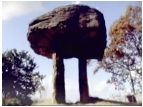
A Dolmen is a type of single-chamber megalithic tomb, usually consisting of three or more upright stones supporting a large flat horizontal capstone, which represents the megalithic culture. The Dolmens are used as the tomb in most cases, but some of ...
다국어 입력
あ
ぁ
か
が
さ
ざ
た
だ
な
は
ば
ぱ
ま
や
ゃ
ら
わ
ゎ
ん
い
ぃ
き
ぎ
し
じ
ち
ぢ
に
ひ
び
ぴ
み
り
う
ぅ
く
ぐ
す
ず
つ
づ
っ
ぬ
ふ
ぶ
ぷ
む
ゆ
ゅ
る
え
ぇ
け
げ
せ
ぜ
て
で
ね
へ
べ
ぺ
め
れ
お
ぉ
こ
ご
そ
ぞ
と
ど
の
ほ
ぼ
ぽ
も
よ
ょ
ろ
を
ア
ァ
カ
サ
ザ
タ
ダ
ナ
ハ
バ
パ
マ
ヤ
ャ
ラ
ワ
ヮ
ン
イ
ィ
キ
ギ
シ
ジ
チ
ヂ
ニ
ヒ
ビ
ピ
ミ
リ
ウ
ゥ
ク
グ
ス
ズ
ツ
ヅ
ッ
ヌ
フ
ブ
プ
ム
ユ
ュ
ル
エ
ェ
ケ
ゲ
セ
ゼ
テ
デ
ヘ
ベ
ペ
メ
レ
オ
ォ
コ
ゴ
ソ
ゾ
ト
ド
ノ
ホ
ボ
ポ
モ
ヨ
ョ
ロ
ヲ
―
http://chineseinput.net/에서 pinyin(병음)방식으로 중국어를 변환할 수 있습니다.
변환된 중국어를 복사하여 사용하시면 됩니다.
예시)
- 中文 을 입력하시려면 zhongwen을 입력하시고 space를누르시면됩니다.
- 北京 을 입력하시려면 beijing을 입력하시고 space를 누르시면 됩니다.
А
Б
В
Г
Д
Е
Ё
Ж
З
И
Й
К
Л
М
Н
О
П
Р
С
Т
У
Ф
Х
Ц
Ч
Ш
Щ
Ъ
Ы
Ь
Э
Ю
Я
а
б
в
г
д
е
ё
ж
з
и
й
к
л
м
н
о
п
р
с
т
у
ф
х
ц
ч
ш
щ
ъ
ы
ь
э
ю
я
′
″
℃
Å
¢
£
¥
¤
℉
‰
$
%
F
₩
㎕
㎖
㎗
ℓ
㎘
㏄
㎣
㎤
㎥
㎦
㎙
㎚
㎛
㎜
㎝
㎞
㎟
㎠
㎡
㎢
㏊
㎍
㎎
㎏
㏏
㎈
㎉
㏈
㎧
㎨
㎰
㎱
㎲
㎳
㎴
㎵
㎶
㎷
㎸
㎹
㎀
㎁
㎂
㎃
㎄
㎺
㎻
㎽
㎾
㎿
㎐
㎑
㎒
㎓
㎔
Ω
㏀
㏁
㎊
㎋
㎌
㏖
㏅
㎭
㎮
㎯
㏛
㎩
㎪
㎫
㎬
㏝
㏐
㏓
㏃
㏉
㏜
㏆
인용문이 복사되었습니다.
부가정보
다국어 초록 (Multilingual Abstract)

A Dolmen is a type of single-chamber megalithic tomb, usually consisting of three or more upright stones supporting a large flat horizontal capstone, which represents the megalithic culture. The Dolmens are used as the tomb in most cases, but some of them are used as the tomb stone or the altar which sacrifices or other offerings are offered for religious purposes, or some other gathering place where ceremonies take place.
The Dolmen culture appeared in different times depending the areas, but it was when the culture of the area turned to the Bronze Age. It appeared around 4500 BC in Europe and around 1200 BC in Asia. The Dolmen culture disappeared in the Iron Age in which the introduction of iron farming tools led to the expanded farming land, requiring much more labor force because there are insufficient labor force in the Dolmen culture.
The Dolmen culture remains are distributed across Europe, Asia and Africa. The Dolmen in Europe remains especially in France, Ireland and U.S., sometimes including the Ethiopia inland and the Mediterranean Sea coast. In Asia, the Dolmens are found in the East Asian areas such as Shantung in China, Vietnam, Laos, Thailand, India and Japan, but their intensively distributed in the Korean peninsula in terms of number or size. More than 30,000 Dolmens of 70,000 so far found around the world, are distributed across Korean peninsula. In fact, the Dolmen is closely related to the civilization in Asia and Europe, but it is noted that the culture was the most prosperous in the Korean peninsula.
The Dolmen culture was introduced to the Korean Peninsula via two paths. One was the introduction with the Bronze Age culture from the northward of this peninsula and the other was with the agricultural culture along the Kuroshio Current from the southward. Accepting such new culture, Korean ancestors founded Go-Joseon, the first kingdom in the Korean peninsula to form its own cultural area.
Even though the Dolmen construction culture disappeared with the advent of the Iron Age, the story about Dolmen continues to appear in the myths or tales afterwards as culture. The Dolmen has remained till Chosun Dynasty in the form of folk belief called as 'Chilsung bawi' or 'Geobuk bawi'. People at that time served Dangsan-je, the religious offering at the Dolmens, and offer prayers in front of the Dolmen at their home with the water drawn from the well early at dawn. In addition, the culture was influenced by the introduced Buddhism culture, by giving the variation of Buddhism temple style to the existing Dolmen and by applying the Dolmen construction methods to set up the Buddhist statue and temple. In addition, the Dolmen influenced the names of villages such as Jiseok-ri, Taengseok-dong, Guam-ri and Chilsung-ri where the Dolmens are located and originated from the type and arrangement methods. In various Korean tales, the Dolmen appears to be related to the hyper-physical general, Divine grandma Mago and even in the birth myth of the heros and kings. Likewise, the Dolmens remain and influence on Korean culture.
The historical value of Korean Dolmens were recognized in December 2000, as World Cultural Heritage by UNESCO(United Nations Educational, Scientific and Cultural Organization). The World Cultural Heritage includes Ganghwa Dolmen remains(located in Samseon and Osangri in Ganghwa-gun, Incheon), Gochang Dolmen remains(Jukrim and Dosan-ri, in Gochang-gun, Jollabukdo), Hwasun Dolmen remains(Hyosan-ri, Dogok-myeon and Daesin-ri, Chunyang-myeon, Hwasun-gun, Jollanamdo).
I tried to find the Korean image from these Dolmens. In front of the Dolmen at foggy dawn, I tried to express the Dolmen's own energy and calm atmosphere by emphasizing on the air perspectives. For the photographing, 5D Cannon digital camera was used and the Epson STYLUS PRO 9800 was used with UltraChrome K3 8-color ink for the printing on the Museo Silver Rac. As for several photos, the fence was removed by the Photoshop tool in the post-production process in order to express the magnificent atmosphere that the Dolmen had at the ancient time.
When new culture is introduced from the surrounding areas, the existing culture tends to selectively accept the advantages and characteristics of the new culture. However, as the transportation and communication technology is rapidly developed and moved today, new culture tends to be accepted as it is without such selection or evaluation process these days. The rapid and indiscreet acception of culture is making the cultural gap between the groups and generations and lead to the social conflicts through the barrier of the communications. In addition, losing the Korean's own traditional culture, such identity and independence spirit is fading together.
I tried to find the root of Korean culture and identity from the subject of Dolmen. Since introduced with new culture with the new external culture called as the agricultural culture of the Bronze Age, the Dolmen has formed its own culture through the conflict and reaction to our previous culture and maintained its position standing there in spite of the changes for thousands years. I hope we may look back on our attitude to accept the new culture in rapidly rush recently, by reviewing on the meaning of the Dolmen that will keep its value as the original current in our identity.
The Dolmen culture appeared in different times depending the areas, but it was when the culture of the area turned to the Bronze Age. It appeared around 4500 BC in Europe and around 1200 BC in Asia. The Dolmen culture disappeared in the Iron Age in which the introduction of iron farming tools led to the expanded farming land, requiring much more labor force because there are insufficient labor force in the Dolmen culture.
The Dolmen culture remains are distributed across Europe, Asia and Africa. The Dolmen in Europe remains especially in France, Ireland and U.S., sometimes including the Ethiopia inland and the Mediterranean Sea coast. In Asia, the Dolmens are found in the East Asian areas such as Shantung in China, Vietnam, Laos, Thailand, India and Japan, but their intensively distributed in the Korean peninsula in terms of number or size. More than 30,000 Dolmens of 70,000 so far found around the world, are distributed across Korean peninsula. In fact, the Dolmen is closely related to the civilization in Asia and Europe, but it is noted that the culture was the most prosperous in the Korean peninsula.
The Dolmen culture was introduced to the Korean Peninsula via two paths. One was the introduction with the Bronze Age culture from the northward of this peninsula and the other was with the agricultural culture along the Kuroshio Current from the southward. Accepting such new culture, Korean ancestors founded Go-Joseon, the first kingdom in the Korean peninsula to form its own cultural area.
Even though the Dolmen construction culture disappeared with the advent of the Iron Age, the story about Dolmen continues to appear in the myths or tales afterwards as culture. The Dolmen has remained till Chosun Dynasty in the form of folk belief called as 'Chilsung bawi' or 'Geobuk bawi'. People at that time served Dangsan-je, the religious offering at the Dolmens, and offer prayers in front of the Dolmen at their home with the water drawn from the well early at dawn. In addition, the culture was influenced by the introduced Buddhism culture, by giving the variation of Buddhism temple style to the existing Dolmen and by applying the Dolmen construction methods to set up the Buddhist statue and temple. In addition, the Dolmen influenced the names of villages such as Jiseok-ri, Taengseok-dong, Guam-ri and Chilsung-ri where the Dolmens are located and originated from the type and arrangement methods. In various Korean tales, the Dolmen appears to be related to the hyper-physical general, Divine grandma Mago and even in the birth myth of the heros and kings. Likewise, the Dolmens remain and influence on Korean culture.
The historical value of Korean Dolmens were recognized in December 2000, as World Cultural Heritage by UNESCO(United Nations Educational, Scientific and Cultural Organization). The World Cultural Heritage includes Ganghwa Dolmen remains(located in Samseon and Osangri in Ganghwa-gun, Incheon), Gochang Dolmen remains(Jukrim and Dosan-ri, in Gochang-gun, Jollabukdo), Hwasun Dolmen remains(Hyosan-ri, Dogok-myeon and Daesin-ri, Chunyang-myeon, Hwasun-gun, Jollanamdo).
I tried to find the Korean image from these Dolmens. In front of the Dolmen at foggy dawn, I tried to express the Dolmen's own energy and calm atmosphere by emphasizing on the air perspectives. For the photographing, 5D Cannon digital camera was used and the Epson STYLUS PRO 9800 was used with UltraChrome K3 8-color ink for the printing on the Museo Silver Rac. As for several photos, the fence was removed by the Photoshop tool in the post-production process in order to express the magnificent atmosphere that the Dolmen had at the ancient time.
When new culture is introduced from the surrounding areas, the existing culture tends to selectively accept the advantages and characteristics of the new culture. However, as the transportation and communication technology is rapidly developed and moved today, new culture tends to be accepted as it is without such selection or evaluation process these days. The rapid and indiscreet acception of culture is making the cultural gap between the groups and generations and lead to the social conflicts through the barrier of the communications. In addition, losing the Korean's own traditional culture, such identity and independence spirit is fading together.
I tried to find the root of Korean culture and identity from the subject of Dolmen. Since introduced with new culture with the new external culture called as the agricultural culture of the Bronze Age, the Dolmen has formed its own culture through the conflict and reaction to our previous culture and maintained its position standing there in spite of the changes for thousands years. I hope we may look back on our attitude to accept the new culture in rapidly rush recently, by reviewing on the meaning of the Dolmen that will keep its value as the original current in our identity.
A Dolmen is a type of single-chamber megalithic tomb, usually consisting of three or more upright stones supporting a large flat horizontal capstone, which represents the megalithic culture. The Dolmens are used as the tomb in most cases, but some of them are used as the tomb stone or the altar which sacrifices or other offerings are offered for religious purposes, or some other gathering place where ceremonies take place.
The Dolmen culture appeared in different times depending the areas, but it was when the culture of the area turned to the Bronze Age. It appeared around 4500 BC in Europe and around 1200 BC in Asia. The Dolmen culture disappeared in the Iron Age in which the introduction of iron farming tools led to the expanded farming land, requiring much more labor force because there are insufficient labor force in the Dolmen culture.
The Dolmen culture remains are distributed across Europe, Asia and Africa. The Dolmen in Europe remains especially in France, Ireland and U.S., sometimes including the Ethiopia inland and the Mediterranean Sea coast. In Asia, the Dolmens are found in the East Asian areas such as Shantung in China, Vietnam, Laos, Thailand, India and Japan, but their intensively distributed in the Korean peninsula in terms of number or size. More than 30,000 Dolmens of 70,000 so far found around the world, are distributed across Korean peninsula. In fact, the Dolmen is closely related to the civilization in Asia and Europe, but it is noted that the culture was the most prosperous in the Korean peninsula.
The Dolmen culture was introduced to the Korean Peninsula via two paths. One was the introduction with the Bronze Age culture from the northward of this peninsula and the other was with the agricultural culture along the Kuroshio Current from the southward. Accepting such new culture, Korean ancestors founded Go-Joseon, the first kingdom in the Korean peninsula to form its own cultural area.
Even though the Dolmen construction culture disappeared with the advent of the Iron Age, the story about Dolmen continues to appear in the myths or tales afterwards as culture. The Dolmen has remained till Chosun Dynasty in the form of folk belief called as 'Chilsung bawi' or 'Geobuk bawi'. People at that time served Dangsan-je, the religious offering at the Dolmens, and offer prayers in front of the Dolmen at their home with the water drawn from the well early at dawn. In addition, the culture was influenced by the introduced Buddhism culture, by giving the variation of Buddhism temple style to the existing Dolmen and by applying the Dolmen construction methods to set up the Buddhist statue and temple. In addition, the Dolmen influenced the names of villages such as Jiseok-ri, Taengseok-dong, Guam-ri and Chilsung-ri where the Dolmens are located and originated from the type and arrangement methods. In various Korean tales, the Dolmen appears to be related to the hyper-physical general, Divine grandma Mago and even in the birth myth of the heros and kings. Likewise, the Dolmens remain and influence on Korean culture.
The historical value of Korean Dolmens were recognized in December 2000, as World Cultural Heritage by UNESCO(United Nations Educational, Scientific and Cultural Organization). The World Cultural Heritage includes Ganghwa Dolmen remains(located in Samseon and Osangri in Ganghwa-gun, Incheon), Gochang Dolmen remains(Jukrim and Dosan-ri, in Gochang-gun, Jollabukdo), Hwasun Dolmen remains(Hyosan-ri, Dogok-myeon and Daesin-ri, Chunyang-myeon, Hwasun-gun, Jollanamdo).
I tried to find the Korean image from these Dolmens. In front of the Dolmen at foggy dawn, I tried to express the Dolmen's own energy and calm atmosphere by emphasizing on the air perspectives. For the photographing, 5D Cannon digital camera was used and the Epson STYLUS PRO 9800 was used with UltraChrome K3 8-color ink for the printing on the Museo Silver Rac. As for several photos, the fence was removed by the Photoshop tool in the post-production process in order to express the magnificent atmosphere that the Dolmen had at the ancient time.
When new culture is introduced from the surrounding areas, the existing culture tends to selectively accept the advantages and characteristics of the new culture. However, as the transportation and communication technology is rapidly developed and moved today, new culture tends to be accepted as it is without such selection or evaluation process these days. The rapid and indiscreet acception of culture is making the cultural gap between the groups and generations and lead to the social conflicts through the barrier of the communications. In addition, losing the Korean's own traditional culture, such identity and independence spirit is fading together.
I tried to find the root of Korean culture and identity from the subject of Dolmen. Since introduced with new culture with the new external culture called as the agricultural culture of the Bronze Age, the Dolmen has formed its own culture through the conflict and reaction to our previous culture and maintained its position standing there in spite of the changes for thousands years. I hope we may look back on our attitude to accept the new culture in rapidly rush recently, by reviewing on the meaning of the Dolmen that will keep its value as the original current in our identity.
국문 초록 (Abstract)
고인돌은 땅위나 땅속에 무덤방을 만들고 그 위에 거대한 덮개돌을 덮은 형태로 거석문화를 대표하는 유적이다. 고인돌은 대부분 무덤으로 쓰이고 있지만 묘표석 또는 종족이나 집단의 모임 장소나 의식을 행하는 제단(祭壇)으로 사용된 것도 있다.
고인돌문화의 발생 시기는 지역별로 차이가 있지만 대체적으로 그 지역의 문명이 청동기시대로 접어들 때이다. 따라서 유럽지역은 기원전 4,500년경 고인돌이 발생하였고, 아시아지역은 기원전 1,200년경에 발생하였다. 고인돌문화의 소멸 시기는 철기시대로서 철제 농경기구의 사용으로 농지가 확장되어 더욱 많은 노동력이 필요하게 됨으로서 노동력의 손실이 발생하는 고인돌문화는 사라지게 되었다.
고인돌은 유럽과 아시아, 아프리카에 걸쳐 분포하고 있다. 유럽의 고인돌은 프랑스, 아일랜드, 영국에 집중적으로 나타나고 아프리카의 에티오피아 내륙 지방과 지중해 연안에서도 나타난다. 아시아지역의 고인돌은 중국의 산둥반도와 베트남, 라오스, 타이 등 동남아 지역과 인도, 일본에서 발견되지만 숫자나 규모면에서 볼 때 한반도에 집중적으로 분포되어있다. 지금까지 전 세계에서 알려진 고인돌은 약 7만기인데 그중 3만기 이상이 한반도에 분포한다. 고인돌은 아시아와 유럽에 걸쳐 진행된 문명과 관련되어 있지만 고인돌 문화는 한반도에서 가장 번창했음을 알 수 있다.
고인돌 문화가 한반도에 전래된 경로는 두 가지 이다. 한반도의 북방으로부터 청동기 문화와 함께 전래되었고, 쿠로시오해류를 따라서 농경문화와 함께 남방으로부터 전래 되었다. 우리의 선조는 고인돌과 새로운 문화를 받아들이면서 한반도에서 최초의 국가인 고조선을 건국하고 한반도 고유의 문화권을 형성해 나갔다.
고인돌축조문화는 철기시대의 시작과 사라졌지만 이미 축조된 고인돌은 옛이야기나 설화에 계속등장하며 하나의 문화로서 그 역할을 하고 있다. 조선시대까지 고인돌은 우리의 삶에 민간신앙의 형태로 남아 칠성바위, 거북바위 등으로 불리었다. 마을에서는 고인돌에 당산제를 지냈고, 집안의 고인돌에는 정화수를 떠놓고 집안의 안녕을 빌었다. 또한 고인돌은 불교문화와도 그 영향을 주고받았는데, 불교가 유입되면서 기존의 고인돌을 불탑의 형식으로 변형시킨 경우도 있고, 고인돌의 축조방식이 불상과 불탑을 세우는데 사용된 흔적도 있다. 또 고인돌은 한반도의 지명에도 영향을 주었는데, 지석리(支石里), 탱석동(撐石洞), 구암리(龜巖里), 칠성리(七星里) 등은 고인돌이 위치하고 있는 지역의 지명으로서 고인돌의 형태와 배치 방법에서 그 지명의 유래를 찾을 수 있다. 고인돌은 한반도의 다양한 설화 속에서 힘센 장수, 마고(麻姑)할머니와 연관되기도 하고 영웅과 왕의 탄생설화에도 등장한다. 이처럼 고인돌은 우리의 문화 속에서 계속남아 영향을 주고 있다.
이러한 한국의 고인돌이 세계로부터 그 가치를 인정받아 2000년 12월 유네스코(UNESCO, United Nations Educational, Scientific and Cultural Organization, 국제연합교육과학문화기구)의 세계문화유산으로 지정 되었다. 유네스코에 세계문화유산으로 지정된 고인돌은 강화 고인돌 유적(인천 강화군 부근, 삼서, 오상리), 고창 고인돌 유적(전라북도 고창군 죽림, 도산리), 화순 고인돌 유적(전남 화순군 도곡면 효산리, 춘양면 대신리)의 고인돌 유적이 있다.
본인은 한국의 고인돌에서 한국적 이미지를 찾아보았다. 안개에 싸인 새벽시간의 고인돌에서 공기원근감을 강조하여 차분한 분위기와 고인돌 특유의 기(氣)가 표현 되도록 하였다. 촬영은 디지털카메라인 Canon사의 5D를 사용하였고 프린트는 Epson사의 STYLUS PRO 9800으로 UltraChrome K3 8색 잉크를 사용하여 Museo사의 Silver Rac용지에 하였다. 몇 장의 사진은 태초에 고인돌이 가지고 있던 웅장한분위기를 표현하기 위해 후반작업에서 포토샵을 이용하여 펜스를 제거하였다.
주변의 문화권으로부터 새로운 문화가 유입될 때는 기존의 문화가 새로운 문화의 장단점과 그 특징을 선별하여 받아들이게 된다. 하지만 교통과 통신기술의 계속되는 발달로 문화의 이동과 전파의 속도가 점점 빨라지면서 새로운 문화에 대한 장단점에 대한 선별작업이나 평가작업 없이 그대로 받아들이게 되는 경우가 많아졌다. 새로운 문화의 빠르고 무차별적인 수용으로 사회구성원 사이의 집단 간, 세대 간의 문화적 차이가 벌어지면서 의사소통에 장벽이 생겨서 사회적 불화를 만들고 있다. 또 우리 고유의 민족문화를 잃어버리면서 한민족의 정체성과 주체성이 잊혀가고 있다.
본인은 우리문화의 정체성의 뿌리를 고인돌에서 찾아보았다. 고인돌은 청동기시대의 농경사회문화라는 새로운 외부의 문화와 함께 유입되어 우리 고유의 문화와 충돌과 반동을 통하여 독자적인 문화를 형성하고 수천 년 동안 주변의 환경의 변화에도 변함없이 그 자리를 지켜 왔다. 앞으로도 우리 문화 원류로써 문화의 정체성을 갖는데 중요한 소멸하지 않을 고인돌을 통해서 최근의 급속도로 밀려오는 새로운 문화에 대한 우리의 수용태도를 뒤돌아보는 계기가 되었으면 한다.
고인돌문화의 발생 시기는 지역별로 차이가 있지만 대체적으로 그 지역의 문명이 청동기시대로 접어들 때이다. 따라서 유럽지역은 기원전 4,500년경 고인돌이 발생하였고, 아시아지역은 기원전 1,200년경에 발생하였다. 고인돌문화의 소멸 시기는 철기시대로서 철제 농경기구의 사용으로 농지가 확장되어 더욱 많은 노동력이 필요하게 됨으로서 노동력의 손실이 발생하는 고인돌문화는 사라지게 되었다.
고인돌은 유럽과 아시아, 아프리카에 걸쳐 분포하고 있다. 유럽의 고인돌은 프랑스, 아일랜드, 영국에 집중적으로 나타나고 아프리카의 에티오피아 내륙 지방과 지중해 연안에서도 나타난다. 아시아지역의 고인돌은 중국의 산둥반도와 베트남, 라오스, 타이 등 동남아 지역과 인도, 일본에서 발견되지만 숫자나 규모면에서 볼 때 한반도에 집중적으로 분포되어있다. 지금까지 전 세계에서 알려진 고인돌은 약 7만기인데 그중 3만기 이상이 한반도에 분포한다. 고인돌은 아시아와 유럽에 걸쳐 진행된 문명과 관련되어 있지만 고인돌 문화는 한반도에서 가장 번창했음을 알 수 있다.
고인돌 문화가 한반도에 전래된 경로는 두 가지 이다. 한반도의 북방으로부터 청동기 문화와 함께 전래되었고, 쿠로시오해류를 따라서 농경문화와 함께 남방으로부터 전래 되었다. 우리의 선조는 고인돌과 새로운 문화를 받아들이면서 한반도에서 최초의 국가인 고조선을 건국하고 한반도 고유의 문화권을 형성해 나갔다.
고인돌축조문화는 철기시대의 시작과 사라졌지만 이미 축조된 고인돌은 옛이야기나 설화에 계속등장하며 하나의 문화로서 그 역할을 하고 있다. 조선시대까지 고인돌은 우리의 삶에 민간신앙의 형태로 남아 칠성바위, 거북바위 등으로 불리었다. 마을에서는 고인돌에 당산제를 지냈고, 집안의 고인돌에는 정화수를 떠놓고 집안의 안녕을 빌었다. 또한 고인돌은 불교문화와도 그 영향을 주고받았는데, 불교가 유입되면서 기존의 고인돌을 불탑의 형식으로 변형시킨 경우도 있고, 고인돌의 축조방식이 불상과 불탑을 세우는데 사용된 흔적도 있다. 또 고인돌은 한반도의 지명에도 영향을 주었는데, 지석리(支石里), 탱석동(撐石洞), 구암리(龜巖里), 칠성리(七星里) 등은 고인돌이 위치하고 있는 지역의 지명으로서 고인돌의 형태와 배치 방법에서 그 지명의 유래를 찾을 수 있다. 고인돌은 한반도의 다양한 설화 속에서 힘센 장수, 마고(麻姑)할머니와 연관되기도 하고 영웅과 왕의 탄생설화에도 등장한다. 이처럼 고인돌은 우리의 문화 속에서 계속남아 영향을 주고 있다.
이러한 한국의 고인돌이 세계로부터 그 가치를 인정받아 2000년 12월 유네스코(UNESCO, United Nations Educational, Scientific and Cultural Organization, 국제연합교육과학문화기구)의 세계문화유산으로 지정 되었다. 유네스코에 세계문화유산으로 지정된 고인돌은 강화 고인돌 유적(인천 강화군 부근, 삼서, 오상리), 고창 고인돌 유적(전라북도 고창군 죽림, 도산리), 화순 고인돌 유적(전남 화순군 도곡면 효산리, 춘양면 대신리)의 고인돌 유적이 있다.
본인은 한국의 고인돌에서 한국적 이미지를 찾아보았다. 안개에 싸인 새벽시간의 고인돌에서 공기원근감을 강조하여 차분한 분위기와 고인돌 특유의 기(氣)가 표현 되도록 하였다. 촬영은 디지털카메라인 Canon사의 5D를 사용하였고 프린트는 Epson사의 STYLUS PRO 9800으로 UltraChrome K3 8색 잉크를 사용하여 Museo사의 Silver Rac용지에 하였다. 몇 장의 사진은 태초에 고인돌이 가지고 있던 웅장한분위기를 표현하기 위해 후반작업에서 포토샵을 이용하여 펜스를 제거하였다.
주변의 문화권으로부터 새로운 문화가 유입될 때는 기존의 문화가 새로운 문화의 장단점과 그 특징을 선별하여 받아들이게 된다. 하지만 교통과 통신기술의 계속되는 발달로 문화의 이동과 전파의 속도가 점점 빨라지면서 새로운 문화에 대한 장단점에 대한 선별작업이나 평가작업 없이 그대로 받아들이게 되는 경우가 많아졌다. 새로운 문화의 빠르고 무차별적인 수용으로 사회구성원 사이의 집단 간, 세대 간의 문화적 차이가 벌어지면서 의사소통에 장벽이 생겨서 사회적 불화를 만들고 있다. 또 우리 고유의 민족문화를 잃어버리면서 한민족의 정체성과 주체성이 잊혀가고 있다.
본인은 우리문화의 정체성의 뿌리를 고인돌에서 찾아보았다. 고인돌은 청동기시대의 농경사회문화라는 새로운 외부의 문화와 함께 유입되어 우리 고유의 문화와 충돌과 반동을 통하여 독자적인 문화를 형성하고 수천 년 동안 주변의 환경의 변화에도 변함없이 그 자리를 지켜 왔다. 앞으로도 우리 문화 원류로써 문화의 정체성을 갖는데 중요한 소멸하지 않을 고인돌을 통해서 최근의 급속도로 밀려오는 새로운 문화에 대한 우리의 수용태도를 뒤돌아보는 계기가 되었으면 한다.
고인돌은 땅위나 땅속에 무덤방을 만들고 그 위에 거대한 덮개돌을 덮은 형태로 거석문화를 대표하는 유적이다. 고인돌은 대부분 무덤으로 쓰이고 있지만 묘표석 또는 종족이나 집단의 모...
고인돌은 땅위나 땅속에 무덤방을 만들고 그 위에 거대한 덮개돌을 덮은 형태로 거석문화를 대표하는 유적이다. 고인돌은 대부분 무덤으로 쓰이고 있지만 묘표석 또는 종족이나 집단의 모임 장소나 의식을 행하는 제단(祭壇)으로 사용된 것도 있다.
고인돌문화의 발생 시기는 지역별로 차이가 있지만 대체적으로 그 지역의 문명이 청동기시대로 접어들 때이다. 따라서 유럽지역은 기원전 4,500년경 고인돌이 발생하였고, 아시아지역은 기원전 1,200년경에 발생하였다. 고인돌문화의 소멸 시기는 철기시대로서 철제 농경기구의 사용으로 농지가 확장되어 더욱 많은 노동력이 필요하게 됨으로서 노동력의 손실이 발생하는 고인돌문화는 사라지게 되었다.
고인돌은 유럽과 아시아, 아프리카에 걸쳐 분포하고 있다. 유럽의 고인돌은 프랑스, 아일랜드, 영국에 집중적으로 나타나고 아프리카의 에티오피아 내륙 지방과 지중해 연안에서도 나타난다. 아시아지역의 고인돌은 중국의 산둥반도와 베트남, 라오스, 타이 등 동남아 지역과 인도, 일본에서 발견되지만 숫자나 규모면에서 볼 때 한반도에 집중적으로 분포되어있다. 지금까지 전 세계에서 알려진 고인돌은 약 7만기인데 그중 3만기 이상이 한반도에 분포한다. 고인돌은 아시아와 유럽에 걸쳐 진행된 문명과 관련되어 있지만 고인돌 문화는 한반도에서 가장 번창했음을 알 수 있다.
고인돌 문화가 한반도에 전래된 경로는 두 가지 이다. 한반도의 북방으로부터 청동기 문화와 함께 전래되었고, 쿠로시오해류를 따라서 농경문화와 함께 남방으로부터 전래 되었다. 우리의 선조는 고인돌과 새로운 문화를 받아들이면서 한반도에서 최초의 국가인 고조선을 건국하고 한반도 고유의 문화권을 형성해 나갔다.
고인돌축조문화는 철기시대의 시작과 사라졌지만 이미 축조된 고인돌은 옛이야기나 설화에 계속등장하며 하나의 문화로서 그 역할을 하고 있다. 조선시대까지 고인돌은 우리의 삶에 민간신앙의 형태로 남아 칠성바위, 거북바위 등으로 불리었다. 마을에서는 고인돌에 당산제를 지냈고, 집안의 고인돌에는 정화수를 떠놓고 집안의 안녕을 빌었다. 또한 고인돌은 불교문화와도 그 영향을 주고받았는데, 불교가 유입되면서 기존의 고인돌을 불탑의 형식으로 변형시킨 경우도 있고, 고인돌의 축조방식이 불상과 불탑을 세우는데 사용된 흔적도 있다. 또 고인돌은 한반도의 지명에도 영향을 주었는데, 지석리(支石里), 탱석동(撐石洞), 구암리(龜巖里), 칠성리(七星里) 등은 고인돌이 위치하고 있는 지역의 지명으로서 고인돌의 형태와 배치 방법에서 그 지명의 유래를 찾을 수 있다. 고인돌은 한반도의 다양한 설화 속에서 힘센 장수, 마고(麻姑)할머니와 연관되기도 하고 영웅과 왕의 탄생설화에도 등장한다. 이처럼 고인돌은 우리의 문화 속에서 계속남아 영향을 주고 있다.
이러한 한국의 고인돌이 세계로부터 그 가치를 인정받아 2000년 12월 유네스코(UNESCO, United Nations Educational, Scientific and Cultural Organization, 국제연합교육과학문화기구)의 세계문화유산으로 지정 되었다. 유네스코에 세계문화유산으로 지정된 고인돌은 강화 고인돌 유적(인천 강화군 부근, 삼서, 오상리), 고창 고인돌 유적(전라북도 고창군 죽림, 도산리), 화순 고인돌 유적(전남 화순군 도곡면 효산리, 춘양면 대신리)의 고인돌 유적이 있다.
본인은 한국의 고인돌에서 한국적 이미지를 찾아보았다. 안개에 싸인 새벽시간의 고인돌에서 공기원근감을 강조하여 차분한 분위기와 고인돌 특유의 기(氣)가 표현 되도록 하였다. 촬영은 디지털카메라인 Canon사의 5D를 사용하였고 프린트는 Epson사의 STYLUS PRO 9800으로 UltraChrome K3 8색 잉크를 사용하여 Museo사의 Silver Rac용지에 하였다. 몇 장의 사진은 태초에 고인돌이 가지고 있던 웅장한분위기를 표현하기 위해 후반작업에서 포토샵을 이용하여 펜스를 제거하였다.
주변의 문화권으로부터 새로운 문화가 유입될 때는 기존의 문화가 새로운 문화의 장단점과 그 특징을 선별하여 받아들이게 된다. 하지만 교통과 통신기술의 계속되는 발달로 문화의 이동과 전파의 속도가 점점 빨라지면서 새로운 문화에 대한 장단점에 대한 선별작업이나 평가작업 없이 그대로 받아들이게 되는 경우가 많아졌다. 새로운 문화의 빠르고 무차별적인 수용으로 사회구성원 사이의 집단 간, 세대 간의 문화적 차이가 벌어지면서 의사소통에 장벽이 생겨서 사회적 불화를 만들고 있다. 또 우리 고유의 민족문화를 잃어버리면서 한민족의 정체성과 주체성이 잊혀가고 있다.
본인은 우리문화의 정체성의 뿌리를 고인돌에서 찾아보았다. 고인돌은 청동기시대의 농경사회문화라는 새로운 외부의 문화와 함께 유입되어 우리 고유의 문화와 충돌과 반동을 통하여 독자적인 문화를 형성하고 수천 년 동안 주변의 환경의 변화에도 변함없이 그 자리를 지켜 왔다. 앞으로도 우리 문화 원류로써 문화의 정체성을 갖는데 중요한 소멸하지 않을 고인돌을 통해서 최근의 급속도로 밀려오는 새로운 문화에 대한 우리의 수용태도를 뒤돌아보는 계기가 되었으면 한다.
목차 (Table of Contents)
- Ⅰ. 서론 - 한반도에 새로운 문화를 전파한 고인돌 = 1
- Ⅱ. 본론 = 4
- 1. 세계의 거석문화 = 4
- 2. 세계의 고인돌 = 4
- 1) 세계 고인돌의 분포 = 4
- Ⅰ. 서론 - 한반도에 새로운 문화를 전파한 고인돌 = 1
- Ⅱ. 본론 = 4
- 1. 세계의 거석문화 = 4
- 2. 세계의 고인돌 = 4
- 1) 세계 고인돌의 분포 = 4
- 2) 고인돌의 발생과 소멸 = 6
- 3. 한반도 고인돌의 기원 = 7
- 4. 고인돌과 새로운 문화의 유입 = 10
- 1) 남방으로 부터 농경문화의 유입 = 10
- 2) 북방으로 부터 청동기문화의 유입 = 11
- 5. 고인돌과 한반도의 문화 = 12
- 1) 고인돌과 민간신앙 = 12
- 2) 고인돌과 불교문화 = 13
- 3) 고인돌과 지명(地名)의 유래 = 15
- 6. 고인돌과 설화 = 16
- 1) 장수이야기 = 16
- 2) 칠성(七星)바위와 거북바위 = 16
- 3) 마고(麻姑)할머니 = 17
- 4) 탄생설화 = 17
- 5) 풍수지리설 = 18
- 7. 옛 문헌(文獻) 속의 고인돌 = 18
- 8. 세계문화유산으로 지정된 한국의 고인돌 = 20
- 9. 고인돌에 대한 사진의 관점과 방향 = 22
- 1) 민족의 뿌리를 찾아서 - 체스터 히긴스 (Chester Higgins Jr.) = 22
- 2) 산수화에서 찾아본 한국적 풍경 - 겸제(謙齋) 정선(鄭敾) = 23
- 3) 고인돌의 촬영과 후반작업 = 26
- Ⅲ. 결론 = 28
- 참고문헌 = 31
- 작품도판 = 33
- 국문초록 = 42
- ABSTRACT = 45
분석정보
이 자료와 함께 이용한 RISS 자료
나만을 위한 추천자료


