 국립중앙도서관 "우편 복사 서비스"로 연결 됩니다.


Science is traditionally a white-male dominated field. This trend has foundations in beliefs and practices accepted before the Enlightenment period. Sixteenth and seventeenth century writers further promoted perceptions that women lacked intellectual...
다국어 입력
あ
ぁ
か
が
さ
ざ
た
だ
な
は
ば
ぱ
ま
や
ゃ
ら
わ
ゎ
ん
い
ぃ
き
ぎ
し
じ
ち
ぢ
に
ひ
び
ぴ
み
り
う
ぅ
く
ぐ
す
ず
つ
づ
っ
ぬ
ふ
ぶ
ぷ
む
ゆ
ゅ
る
え
ぇ
け
げ
せ
ぜ
て
で
ね
へ
べ
ぺ
め
れ
お
ぉ
こ
ご
そ
ぞ
と
ど
の
ほ
ぼ
ぽ
も
よ
ょ
ろ
を
ア
ァ
カ
サ
ザ
タ
ダ
ナ
ハ
バ
パ
マ
ヤ
ャ
ラ
ワ
ヮ
ン
イ
ィ
キ
ギ
シ
ジ
チ
ヂ
ニ
ヒ
ビ
ピ
ミ
リ
ウ
ゥ
ク
グ
ス
ズ
ツ
ヅ
ッ
ヌ
フ
ブ
プ
ム
ユ
ュ
ル
エ
ェ
ケ
ゲ
セ
ゼ
テ
デ
ヘ
ベ
ペ
メ
レ
オ
ォ
コ
ゴ
ソ
ゾ
ト
ド
ノ
ホ
ボ
ポ
モ
ヨ
ョ
ロ
ヲ
―
http://chineseinput.net/에서 pinyin(병음)방식으로 중국어를 변환할 수 있습니다.
변환된 중국어를 복사하여 사용하시면 됩니다.
예시)
- 中文 을 입력하시려면 zhongwen을 입력하시고 space를누르시면됩니다.
- 北京 을 입력하시려면 beijing을 입력하시고 space를 누르시면 됩니다.
А
Б
В
Г
Д
Е
Ё
Ж
З
И
Й
К
Л
М
Н
О
П
Р
С
Т
У
Ф
Х
Ц
Ч
Ш
Щ
Ъ
Ы
Ь
Э
Ю
Я
а
б
в
г
д
е
ё
ж
з
и
й
к
л
м
н
о
п
р
с
т
у
ф
х
ц
ч
ш
щ
ъ
ы
ь
э
ю
я
′
″
℃
Å
¢
£
¥
¤
℉
‰
$
%
F
₩
㎕
㎖
㎗
ℓ
㎘
㏄
㎣
㎤
㎥
㎦
㎙
㎚
㎛
㎜
㎝
㎞
㎟
㎠
㎡
㎢
㏊
㎍
㎎
㎏
㏏
㎈
㎉
㏈
㎧
㎨
㎰
㎱
㎲
㎳
㎴
㎵
㎶
㎷
㎸
㎹
㎀
㎁
㎂
㎃
㎄
㎺
㎻
㎽
㎾
㎿
㎐
㎑
㎒
㎓
㎔
Ω
㏀
㏁
㎊
㎋
㎌
㏖
㏅
㎭
㎮
㎯
㏛
㎩
㎪
㎫
㎬
㏝
㏐
㏓
㏃
㏉
㏜
㏆
https://www.riss.kr/link?id=T10594201
- 저자
-
발행사항
[S.l.]: Arizona State University 2004
-
학위수여대학
Arizona State University
-
수여연도
2004
-
작성언어
영어
- 주제어
-
학위
Ed.D.
-
페이지수
264 p.
-
지도교수/심사위원
Adviser: Dale Baker.
-
0
상세조회 -
0
다운로드
부가정보
다국어 초록 (Multilingual Abstract)

Science is traditionally a white-male dominated field. This trend has foundations in beliefs and practices accepted before the Enlightenment period. Sixteenth and seventeenth century writers further promoted perceptions that women lacked intellectual capacity to indulge in science. A similar viewpoint was applied to non-white ethnic groups during the 19th and 20th centuries.
Questions over Eurocentric and androcentric aspects of science were first raised publicly in 1869, yet significant change in the proportions of women and minorities in science-related fields remains disproportionately low. Public awareness of this situation extends to education where students demonstrate beliefs that opportunities in science are primarily for white males. This commonly shared belief typically produces negative effects on success rates in science education for females and minorities.
The purpose of this study was to determine if gender-by-ethnic factors are culturally specific. Do members of one gender/ethnic subgroup experience deterrents to success in science education not common in other ethnic groups? Contrariwise, are negative factors shared across ethnic groups? An effort is made to identify potential gender/ethnic-related barriers that serve to reduce success rates and potentially generate negative attitudes for students about science.
A 74-item Likert scale was developed to reveal students' perceptions of issues relative to science education. This instrument was administered to 30 female and 30 male high school students in each of four ethnic groups (African American, Mexican American, American Indian, and Euro American) from public or tribal schools in a large southwestern (United States) urban community. Randomly selected participants from each subgroup were then interviewed to expound upon relevant issues.
A reoccurring pattern of reduced interest and experiences in science activities was noted among male American Indians. These participants most often differed with one or more of the other gender/ethnic subgroups in expectations and opportunities for academic success. Most students anticipated support from parents and educators if they were to choose a science related career; however, few expected like consideration from peers.
Historical and current issues of cultural relevance are considered as potential sources for outcome patterns noted from the study. Possible areas for future studies are offered.
Questions over Eurocentric and androcentric aspects of science were first raised publicly in 1869, yet significant change in the proportions of women and minorities in science-related fields remains disproportionately low. Public awareness of this situation extends to education where students demonstrate beliefs that opportunities in science are primarily for white males. This commonly shared belief typically produces negative effects on success rates in science education for females and minorities.
The purpose of this study was to determine if gender-by-ethnic factors are culturally specific. Do members of one gender/ethnic subgroup experience deterrents to success in science education not common in other ethnic groups? Contrariwise, are negative factors shared across ethnic groups? An effort is made to identify potential gender/ethnic-related barriers that serve to reduce success rates and potentially generate negative attitudes for students about science.
A 74-item Likert scale was developed to reveal students' perceptions of issues relative to science education. This instrument was administered to 30 female and 30 male high school students in each of four ethnic groups (African American, Mexican American, American Indian, and Euro American) from public or tribal schools in a large southwestern (United States) urban community. Randomly selected participants from each subgroup were then interviewed to expound upon relevant issues.
A reoccurring pattern of reduced interest and experiences in science activities was noted among male American Indians. These participants most often differed with one or more of the other gender/ethnic subgroups in expectations and opportunities for academic success. Most students anticipated support from parents and educators if they were to choose a science related career; however, few expected like consideration from peers.
Historical and current issues of cultural relevance are considered as potential sources for outcome patterns noted from the study. Possible areas for future studies are offered.
Science is traditionally a white-male dominated field. This trend has foundations in beliefs and practices accepted before the Enlightenment period. Sixteenth and seventeenth century writers further promoted perceptions that women lacked intellectual capacity to indulge in science. A similar viewpoint was applied to non-white ethnic groups during the 19th and 20th centuries.
Questions over Eurocentric and androcentric aspects of science were first raised publicly in 1869, yet significant change in the proportions of women and minorities in science-related fields remains disproportionately low. Public awareness of this situation extends to education where students demonstrate beliefs that opportunities in science are primarily for white males. This commonly shared belief typically produces negative effects on success rates in science education for females and minorities.
The purpose of this study was to determine if gender-by-ethnic factors are culturally specific. Do members of one gender/ethnic subgroup experience deterrents to success in science education not common in other ethnic groups? Contrariwise, are negative factors shared across ethnic groups? An effort is made to identify potential gender/ethnic-related barriers that serve to reduce success rates and potentially generate negative attitudes for students about science.
A 74-item Likert scale was developed to reveal students' perceptions of issues relative to science education. This instrument was administered to 30 female and 30 male high school students in each of four ethnic groups (African American, Mexican American, American Indian, and Euro American) from public or tribal schools in a large southwestern (United States) urban community. Randomly selected participants from each subgroup were then interviewed to expound upon relevant issues.
A reoccurring pattern of reduced interest and experiences in science activities was noted among male American Indians. These participants most often differed with one or more of the other gender/ethnic subgroups in expectations and opportunities for academic success. Most students anticipated support from parents and educators if they were to choose a science related career; however, few expected like consideration from peers.
Historical and current issues of cultural relevance are considered as potential sources for outcome patterns noted from the study. Possible areas for future studies are offered.
분석정보
연관 공개강의(KOCW)
-

Education Policy at the Party Conferences
Teachers TV Teachers TV -
Alcohol Education: Here's What We Want
Teachers TV Teachers TV -
Further Education: Work Experience
Teachers TV Teachers TV -
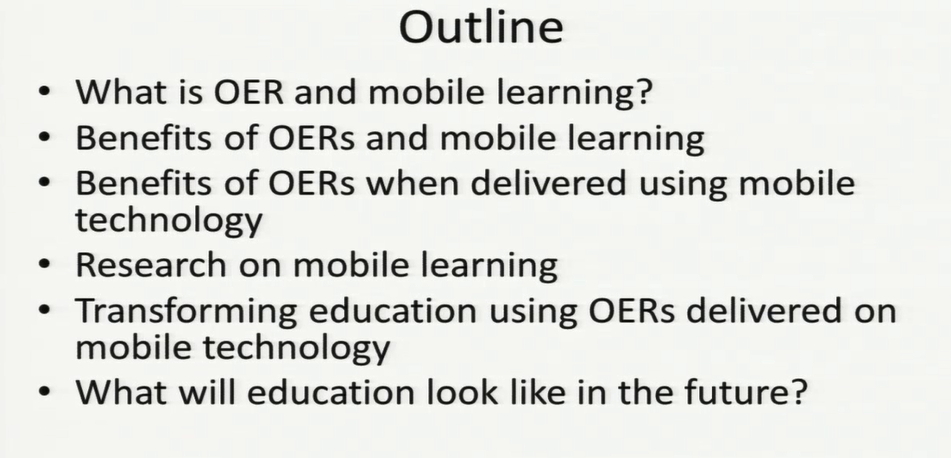
2014 이러닝 국제 콘퍼런스 : Open Education Resources with Mobile Learning to Transform Education
한국교육학술정보원 Mohamed Ally -
Early Sex Education: The Debate
Teachers TV Teachers TV
이 자료와 함께 이용한 RISS 자료
나만을 위한 추천자료


