 국립중앙도서관 "우편 복사 서비스"로 연결 됩니다.


This project traces the history of fund raising campaigns in American higher education. Campaigns to raise financial resources began in 1641 only five years after Colonists established their first college in Cambridge, Massachusetts. Campaigns evolve...
다국어 입력
あ
ぁ
か
が
さ
ざ
た
だ
な
は
ば
ぱ
ま
や
ゃ
ら
わ
ゎ
ん
い
ぃ
き
ぎ
し
じ
ち
ぢ
に
ひ
び
ぴ
み
り
う
ぅ
く
ぐ
す
ず
つ
づ
っ
ぬ
ふ
ぶ
ぷ
む
ゆ
ゅ
る
え
ぇ
け
げ
せ
ぜ
て
で
ね
へ
べ
ぺ
め
れ
お
ぉ
こ
ご
そ
ぞ
と
ど
の
ほ
ぼ
ぽ
も
よ
ょ
ろ
を
ア
ァ
カ
サ
ザ
タ
ダ
ナ
ハ
バ
パ
マ
ヤ
ャ
ラ
ワ
ヮ
ン
イ
ィ
キ
ギ
シ
ジ
チ
ヂ
ニ
ヒ
ビ
ピ
ミ
リ
ウ
ゥ
ク
グ
ス
ズ
ツ
ヅ
ッ
ヌ
フ
ブ
プ
ム
ユ
ュ
ル
エ
ェ
ケ
ゲ
セ
ゼ
テ
デ
ヘ
ベ
ペ
メ
レ
オ
ォ
コ
ゴ
ソ
ゾ
ト
ド
ノ
ホ
ボ
ポ
モ
ヨ
ョ
ロ
ヲ
―
http://chineseinput.net/에서 pinyin(병음)방식으로 중국어를 변환할 수 있습니다.
변환된 중국어를 복사하여 사용하시면 됩니다.
예시)
- 中文 을 입력하시려면 zhongwen을 입력하시고 space를누르시면됩니다.
- 北京 을 입력하시려면 beijing을 입력하시고 space를 누르시면 됩니다.
А
Б
В
Г
Д
Е
Ё
Ж
З
И
Й
К
Л
М
Н
О
П
Р
С
Т
У
Ф
Х
Ц
Ч
Ш
Щ
Ъ
Ы
Ь
Э
Ю
Я
а
б
в
г
д
е
ё
ж
з
и
й
к
л
м
н
о
п
р
с
т
у
ф
х
ц
ч
ш
щ
ъ
ы
ь
э
ю
я
′
″
℃
Å
¢
£
¥
¤
℉
‰
$
%
F
₩
㎕
㎖
㎗
ℓ
㎘
㏄
㎣
㎤
㎥
㎦
㎙
㎚
㎛
㎜
㎝
㎞
㎟
㎠
㎡
㎢
㏊
㎍
㎎
㎏
㏏
㎈
㎉
㏈
㎧
㎨
㎰
㎱
㎲
㎳
㎴
㎵
㎶
㎷
㎸
㎹
㎀
㎁
㎂
㎃
㎄
㎺
㎻
㎽
㎾
㎿
㎐
㎑
㎒
㎓
㎔
Ω
㏀
㏁
㎊
㎋
㎌
㏖
㏅
㎭
㎮
㎯
㏛
㎩
㎪
㎫
㎬
㏝
㏐
㏓
㏃
㏉
㏜
㏆
https://www.riss.kr/link?id=T10545199
- 저자
-
발행사항
[S.l.]: Columbia University Teachers College 1999
-
학위수여대학
Columbia University Teachers College
-
수여연도
1999
-
작성언어
영어
- 주제어
-
학위
Ed.D.
-
페이지수
314 p.
-
지도교수/심사위원
Sponsor: Sharon McDade.
-
0
상세조회 -
0
다운로드
부가정보
다국어 초록 (Multilingual Abstract)

This project traces the history of fund raising campaigns in American higher education. Campaigns to raise financial resources began in 1641 only five years after Colonists established their first college in Cambridge, Massachusetts. Campaigns evolved from boat trips to Europe, beggars on horseback, and church initiated subscriptions to letter writing and personal solicitation of more substantial gifts from personal fortunes created during the nineteenth century.
During that period college leaders devised ways of reaching a broader base of donors through the use of volunteer solicitors. Often, these volunteers were motivated by the promise of a gift from a wealthy individual that had to be matched in some fashion. Early in the twentieth century the novelty of volunteerism strengthened and found expression in two dissimilar professional philosophies. One school of thought, made popular by the fund raisers from the YMCA, found success in tightly managed, intensive campaigns. The other school of thought came from Bishop William Lawrence who preferred a more tranquil atmosphere. Two distinct cultures developed, yet both found remarkable success. After World War II America's colleges and universities instituted “development departments.” Higher education hired their own personnel who had been trained by professional consulting companies, or the colleges paid the companies to provide training—often at their professional conferences.
The post war period also witnessed an explosion in information, the development of professional associations, and fundamental changes in the functions of non-faculty campus personnel. Today, honest disagreement exists in the roles and functions of people involved in the campaign process, in how campaigns ought to be structured, and in what gifts ought to be counted toward goal. Perceived and actual fund raising abuses came to light from both inside and outside higher education. Legislators and regulators began to explore the issues in the 1980s, and in an atmosphere that was turning increasingly cynical leaders in academic fund raising began to call for reform. The Council for Advancement and Support of Education responded by leading their members through a process that led to promulgating standards for campaigns in 1997. Time will tell if higher education will adhere to standards.
During that period college leaders devised ways of reaching a broader base of donors through the use of volunteer solicitors. Often, these volunteers were motivated by the promise of a gift from a wealthy individual that had to be matched in some fashion. Early in the twentieth century the novelty of volunteerism strengthened and found expression in two dissimilar professional philosophies. One school of thought, made popular by the fund raisers from the YMCA, found success in tightly managed, intensive campaigns. The other school of thought came from Bishop William Lawrence who preferred a more tranquil atmosphere. Two distinct cultures developed, yet both found remarkable success. After World War II America's colleges and universities instituted “development departments.” Higher education hired their own personnel who had been trained by professional consulting companies, or the colleges paid the companies to provide training—often at their professional conferences.
The post war period also witnessed an explosion in information, the development of professional associations, and fundamental changes in the functions of non-faculty campus personnel. Today, honest disagreement exists in the roles and functions of people involved in the campaign process, in how campaigns ought to be structured, and in what gifts ought to be counted toward goal. Perceived and actual fund raising abuses came to light from both inside and outside higher education. Legislators and regulators began to explore the issues in the 1980s, and in an atmosphere that was turning increasingly cynical leaders in academic fund raising began to call for reform. The Council for Advancement and Support of Education responded by leading their members through a process that led to promulgating standards for campaigns in 1997. Time will tell if higher education will adhere to standards.
This project traces the history of fund raising campaigns in American higher education. Campaigns to raise financial resources began in 1641 only five years after Colonists established their first college in Cambridge, Massachusetts. Campaigns evolved from boat trips to Europe, beggars on horseback, and church initiated subscriptions to letter writing and personal solicitation of more substantial gifts from personal fortunes created during the nineteenth century.
During that period college leaders devised ways of reaching a broader base of donors through the use of volunteer solicitors. Often, these volunteers were motivated by the promise of a gift from a wealthy individual that had to be matched in some fashion. Early in the twentieth century the novelty of volunteerism strengthened and found expression in two dissimilar professional philosophies. One school of thought, made popular by the fund raisers from the YMCA, found success in tightly managed, intensive campaigns. The other school of thought came from Bishop William Lawrence who preferred a more tranquil atmosphere. Two distinct cultures developed, yet both found remarkable success. After World War II America's colleges and universities instituted “development departments.” Higher education hired their own personnel who had been trained by professional consulting companies, or the colleges paid the companies to provide training—often at their professional conferences.
The post war period also witnessed an explosion in information, the development of professional associations, and fundamental changes in the functions of non-faculty campus personnel. Today, honest disagreement exists in the roles and functions of people involved in the campaign process, in how campaigns ought to be structured, and in what gifts ought to be counted toward goal. Perceived and actual fund raising abuses came to light from both inside and outside higher education. Legislators and regulators began to explore the issues in the 1980s, and in an atmosphere that was turning increasingly cynical leaders in academic fund raising began to call for reform. The Council for Advancement and Support of Education responded by leading their members through a process that led to promulgating standards for campaigns in 1997. Time will tell if higher education will adhere to standards.
분석정보
연관 공개강의(KOCW)
-

Developments in 14-19: Institute of Education
Teachers TV Teachers TV -
Education Policy at the Party Conferences
Teachers TV Teachers TV -
Personal Finance Education: The Money Quiz
Teachers TV Teachers TV -
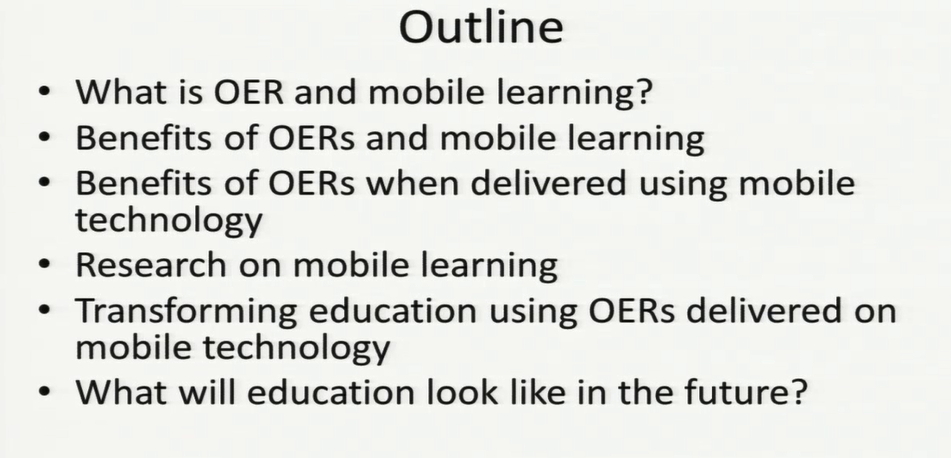
2014 이러닝 국제 콘퍼런스 : Open Education Resources with Mobile Learning to Transform Education
한국교육학술정보원 Mohamed Ally -
Early Sex Education: The Debate
Teachers TV Teachers TV
이 자료와 함께 이용한 RISS 자료
나만을 위한 추천자료


