 국립중앙도서관 "우편 복사 서비스"로 연결 됩니다.


 KCI
KCI KISS
KISSThe purpose of the present study is to verify the structural relationship among system quality, information quality, service quality, perceived ease of use, perceived usefulness, satisfaction, intention on continuous use of mobile learning in cyber un...
다국어 입력
あ
ぁ
か
が
さ
ざ
た
だ
な
は
ば
ぱ
ま
や
ゃ
ら
わ
ゎ
ん
い
ぃ
き
ぎ
し
じ
ち
ぢ
に
ひ
び
ぴ
み
り
う
ぅ
く
ぐ
す
ず
つ
づ
っ
ぬ
ふ
ぶ
ぷ
む
ゆ
ゅ
る
え
ぇ
け
げ
せ
ぜ
て
で
ね
へ
べ
ぺ
め
れ
お
ぉ
こ
ご
そ
ぞ
と
ど
の
ほ
ぼ
ぽ
も
よ
ょ
ろ
を
ア
ァ
カ
サ
ザ
タ
ダ
ナ
ハ
バ
パ
マ
ヤ
ャ
ラ
ワ
ヮ
ン
イ
ィ
キ
ギ
シ
ジ
チ
ヂ
ニ
ヒ
ビ
ピ
ミ
リ
ウ
ゥ
ク
グ
ス
ズ
ツ
ヅ
ッ
ヌ
フ
ブ
プ
ム
ユ
ュ
ル
エ
ェ
ケ
ゲ
セ
ゼ
テ
デ
ヘ
ベ
ペ
メ
レ
オ
ォ
コ
ゴ
ソ
ゾ
ト
ド
ノ
ホ
ボ
ポ
モ
ヨ
ョ
ロ
ヲ
―
http://chineseinput.net/에서 pinyin(병음)방식으로 중국어를 변환할 수 있습니다.
변환된 중국어를 복사하여 사용하시면 됩니다.
예시)
- 中文 을 입력하시려면 zhongwen을 입력하시고 space를누르시면됩니다.
- 北京 을 입력하시려면 beijing을 입력하시고 space를 누르시면 됩니다.
А
Б
В
Г
Д
Е
Ё
Ж
З
И
Й
К
Л
М
Н
О
П
Р
С
Т
У
Ф
Х
Ц
Ч
Ш
Щ
Ъ
Ы
Ь
Э
Ю
Я
а
б
в
г
д
е
ё
ж
з
и
й
к
л
м
н
о
п
р
с
т
у
ф
х
ц
ч
ш
щ
ъ
ы
ь
э
ю
я
′
″
℃
Å
¢
£
¥
¤
℉
‰
$
%
F
₩
㎕
㎖
㎗
ℓ
㎘
㏄
㎣
㎤
㎥
㎦
㎙
㎚
㎛
㎜
㎝
㎞
㎟
㎠
㎡
㎢
㏊
㎍
㎎
㎏
㏏
㎈
㎉
㏈
㎧
㎨
㎰
㎱
㎲
㎳
㎴
㎵
㎶
㎷
㎸
㎹
㎀
㎁
㎂
㎃
㎄
㎺
㎻
㎽
㎾
㎿
㎐
㎑
㎒
㎓
㎔
Ω
㏀
㏁
㎊
㎋
㎌
㏖
㏅
㎭
㎮
㎯
㏛
㎩
㎪
㎫
㎬
㏝
㏐
㏓
㏃
㏉
㏜
㏆

RISS 인기검색어

이러닝과 연계된 모바일러닝에서 사이버대학생의 지속사용의도와 영향요인간 구조적 관계 분석 = A Study on the Factors Affecting Intention on Continuous Use of Mobile Learning in Cyber University
한글로보기https://www.riss.kr/link?id=A100266960
- 저자
- 발행기관
- 학술지명
- 권호사항
-
발행연도
2014
-
작성언어
-
- 주제어
-
KDC
300
-
등재정보
KCI등재
-
자료형태
학술저널
- 발행기관 URL
-
수록면
47-71(25쪽)
-
KCI 피인용횟수
5
- DOI식별코드
- 제공처
-
0
상세조회 -
0
다운로드
부가정보
다국어 초록 (Multilingual Abstract)

The purpose of the present study is to verify the structural relationship among system quality, information quality, service quality, perceived ease of use, perceived usefulness, satisfaction, intention on continuous use of mobile learning in cyber university. For this study, W cyber university in Korea was chosen to conduct web survey. The subjects were 283 students who participated in W``s cyber university courses. A hypothetical model was composed of system quality, information quality, service quality, perceived ease of use and perceived usefulness as exogenous variables, satisfaction and intention on continuous use of mobile learning as endogenous variables. The result of this study through structural equation modeling analysis is as follows:First, information quality only affect satisfaction, Second, perceived ease of use, perceived usefulness and satisfaction significantly affect intention on continuous use of mobile learning. These results imply that information quality should be considered for the design and development of mobile learning contents. Also, perceived ease of use, perceived usefulness and satisfaction is important to enhance intention on continuous use of mobile learning. This study proposes strategies for successful mobile learning in cyber university.
The purpose of the present study is to verify the structural relationship among system quality, information quality, service quality, perceived ease of use, perceived usefulness, satisfaction, intention on continuous use of mobile learning in cyber university. For this study, W cyber university in Korea was chosen to conduct web survey. The subjects were 283 students who participated in W``s cyber university courses. A hypothetical model was composed of system quality, information quality, service quality, perceived ease of use and perceived usefulness as exogenous variables, satisfaction and intention on continuous use of mobile learning as endogenous variables. The result of this study through structural equation modeling analysis is as follows:First, information quality only affect satisfaction, Second, perceived ease of use, perceived usefulness and satisfaction significantly affect intention on continuous use of mobile learning. These results imply that information quality should be considered for the design and development of mobile learning contents. Also, perceived ease of use, perceived usefulness and satisfaction is important to enhance intention on continuous use of mobile learning. This study proposes strategies for successful mobile learning in cyber university.
참고문헌 (Reference)
1 강희택, "쾌락적 정보시스템의 지속적 사용의도에 영향을 미치는 요인에 관한 연구" 한국경영정보학회 8 (8): 153-174, 2006
2 김영환, "지각된 서비스 품질, 유용성, 용이성이 IPTV 사용자 만족 및 지속적 사용의도에 미치는 영향" 한국콘텐츠학회 9 (9): 314-327, 2009
3 김본영, "정보품질 향상으로 인한 조직성과와 조직에 대한 사용자의 인식과의 차이에 관한 연구" 한국정보시스템학회 21 (21): 1-25, 2012
4 지식경제부 정보통신산업진흥원, "이러닝산업실태조사보고서" 정보통신연구개발사업 2013
5 미래창조과학부 통신정책국, "유무선 통계"
6 최훈, "스마트폰 애플리케이션 품질이 신뢰 및 지속적 사용의도에 미치는 영향 : 성별의 조절효과를 중심으로" 한국산업정보학회 16 (16): 151-162, 2011
7 임병노, "스마트 교육 핵심 속성 및 스마트 교육 콘텐츠 유형 탐색" 한국교육공학회 29 (29): 459-489, 2013
8 홍태호, "소셜 커머스 지속 사용의도에 관한 연구" 한국정보시스템학회 21 (21): 135-160, 2012
9 주영주, "사이버대학생의 모바일러닝 수용 영향 변인 분석" 한국교육공학회 28 (28): 79-102, 2012
10 권현정, "베이비붐세대의 문화자본이 문화활동에 미치는 영향*:문화복지 관점에서" 한국노년학회 28 (28): 535-553, 2008
1 강희택, "쾌락적 정보시스템의 지속적 사용의도에 영향을 미치는 요인에 관한 연구" 한국경영정보학회 8 (8): 153-174, 2006
2 김영환, "지각된 서비스 품질, 유용성, 용이성이 IPTV 사용자 만족 및 지속적 사용의도에 미치는 영향" 한국콘텐츠학회 9 (9): 314-327, 2009
3 김본영, "정보품질 향상으로 인한 조직성과와 조직에 대한 사용자의 인식과의 차이에 관한 연구" 한국정보시스템학회 21 (21): 1-25, 2012
4 지식경제부 정보통신산업진흥원, "이러닝산업실태조사보고서" 정보통신연구개발사업 2013
5 미래창조과학부 통신정책국, "유무선 통계"
6 최훈, "스마트폰 애플리케이션 품질이 신뢰 및 지속적 사용의도에 미치는 영향 : 성별의 조절효과를 중심으로" 한국산업정보학회 16 (16): 151-162, 2011
7 임병노, "스마트 교육 핵심 속성 및 스마트 교육 콘텐츠 유형 탐색" 한국교육공학회 29 (29): 459-489, 2013
8 홍태호, "소셜 커머스 지속 사용의도에 관한 연구" 한국정보시스템학회 21 (21): 135-160, 2012
9 주영주, "사이버대학생의 모바일러닝 수용 영향 변인 분석" 한국교육공학회 28 (28): 79-102, 2012
10 권현정, "베이비붐세대의 문화자본이 문화활동에 미치는 영향*:문화복지 관점에서" 한국노년학회 28 (28): 535-553, 2008
11 이주민, "모바일 교육 서비스의 국내외 현황 및모바일 교육 서비스 시대를 준비하는사이버대학교에 대한 제언" 1 (1): 91-119, 2010
12 손달호, "대학행정 어플리케이션 이용에 미치는 결정요인: 모바일 환경을 중심으로" 한국정보시스템학회 22 (22): 1-27, 2013
13 이종연, "대학 이러닝과 연계된 모바일러닝에서 시스템, 정보 및 서비스 품질이 학습자 만족도에 미치는 영향력 분석" 한국교육공학회 29 (29): 209-240, 2013
14 김준희, "기업 모바일 소셜네트워크서비스 특성요인이 사용자 만족과 지속적 사용의도에 미치는 영향에 관한 연구" 한국디지털정책학회 10 (10): 135-148, 2012
15 박용태, "e-Learning 학습자의 학습 경험과 충성도에 영향을 미치는 요인들에 관한 실증 연구" 한국산업경영학회 27 (27): 75-98, 2012
16 Sun, P. C., "What drives a successful e-Learning? An empirical investigation of the critical factors influencing learner satisfaction" 50 (50): 1183-1202, 2008
17 Davis, F. D., "User acceptance of computer technology : a comparison of two theoretical models" 35 (35): 982-1003, 1989
18 Kishton, J. M., "Unidimensional versus domain representative parceling of questionnaire items : An empirical example" 54 (54): 757-765, 1994
19 Taylor, S., "Understanding information technology usage: A test of competing models" 6 (6): 144-176, 1995
20 Bhattacherjee, A, "Understanding information systems continuance : an expectationconfirmation model" 25 (25): 351-370, 2001
21 Roca, J. C., "Understanding e-learning continuance intention : An extension of the Technology Acceptance Model" 64 (64): 683-696, 2006
22 Hong, S., "Understanding continued information technology usage behavior : a comparison of three models in the context of mobile internet" 42 (42): 1819-1834, 2006
23 Gefen, D., "Trust and TAM in online shopping : an integrated model" 51-90, 2003
24 Little D. Todd, "To Parcel or Not to Parcel : Exploring the Question, Weighing the Merits" 9 (9): 151-173, 2002
25 McKinney, V., "The measurement of Web-customer satisfaction : An expectation and disconfirmation approach" 13 (13): 296-315, 2002
26 Alshare, K. A., "The impacts of system and human factors on online learning systems use and learner satisfaction" 9 (9): 437-461, 2011
27 Sass, D. A., "The effects of parceling unidimensional scales on structural parameter estimates in structural equation modeling" 13 (13): 566-586, 2006
28 Delone, W. H, "The DeLone and McLean model of information systems success : a ten-year update" 19 (19): 9-30, 2003
29 Kline, R. B., "Principles and practice of structural equation modeling" Guilford press 2011
30 Andronico, A., "Personalization services for learning management systems in mobile settings" 14 (14): 353-369, 2004
31 Lou, H., "Perceived critical mass effect on groupware acceptance" 9 (9): 91-103, 2000
32 Serin, O, "Mobile learning perceptions of the prospective teachers(Turkish Republic of Northern Cyprus sampling)" 11 (11): 2012
33 Wang, Y. S., "Measuring e-learning systems success in an organizational context : Scale development and validation" 23 (23): 1792-1808, 2007
34 Lin, C. S., "Integrating perceived playfulness into expectation-confirmation model for web portal context" 42 (42): 683-693, 2011
35 Chau, P. Y., "Information technology acceptance by individual professionals : A model comparison approach" 32 (32): 699-719, 2001
36 Information systems research, "Information systems success : the quest for the dependent variable" 3 (3): 60-95, 1992
37 Kettinger, W. J., "Global Measures of information Service Quality : A Cross-National Study" 26 (26): 569-588, 1995
38 Hernandez, B., "Extending the technology acceptance model to include the IT decision-maker, A study of business management software" 28 (28): 112-121, 2003
39 Akour, H., "Determinants of mobile learning acceptance: an empirical investigation in higher education" Oklahoma State University 2012
40 Yap, S. C., "Determinants affecting acceptance level of mobile learning among public universality students" UTAR 2012
41 Wang, Y. S., "Assessing eGovernment systems success : A validation of the DeLone and McLean model of information systems success" 25 (25): 717-733, 2008
42 Chung, J., "Antecedents of perceived playfulness : an exploratory study on user acceptance of general information searching websites" 41 (41): 869-881, 2004
43 Venkatesh, V., "A theoretical extension of the technology acceptance model : four longitudinal field studies" 46 (46): 186-204, 2000
44 Davis, F. D., "A critical assessment of potential measurement biases in the technology acceptance model : three experiments" 45 (45): 9-45, 1996
45 산업통상자원부정보통신산업진흥원, "2011-2012이러닝백서" 한국U러닝연합회 2013
동일학술지(권/호) 다른 논문
-
사용자 인지기능을 매개로 스마트폰 애플리케이션의 사용자환경 디자인이 애플리케이션 이용성과에 미치는 영향
- 한국정보시스템학회
- 정원진 ( Won Jin Jung )
- 2014
- KCI등재
-
모바일 인스턴트 메신저 의존, 생활 장애 및 디지털휴식의도에 영향을 미치는 요인: 지각된 위험의 조절효과에 관한 연구
- 한국정보시스템학회
- 박현선 ( Hyun Sun Park )
- 2014
- KCI등재
-
- 한국정보시스템학회
- 손달호 ( Dal Ho Son )
- 2014
- KCI등재
-
조직성과에 미치는 영향요인에 관한 연구: 정보보호 성숙도의 매개효과를 중심으로
- 한국정보시스템학회
- 박정국 ( Jeong Kuk Park )
- 2014
- KCI등재
분석정보
인용정보 인용지수 설명보기
학술지 이력
| 연월일 | 이력구분 | 이력상세 | 등재구분 |
|---|---|---|---|
| 2026 | 평가예정 | 재인증평가 신청대상 (재인증) | |
| 2020-01-01 | 평가 | 등재학술지 유지 (재인증) | |
| 2017-01-01 | 평가 | 등재학술지 유지 (계속평가) | |
| 2013-01-01 | 평가 | 등재 1차 FAIL (등재유지) | |
| 2010-01-01 | 평가 | 등재학술지 유지 (등재유지) | |
| 2007-01-01 | 평가 | 등재학술지 선정 (등재후보2차) | |
| 2006-01-01 | 평가 | 등재후보 1차 PASS (등재후보1차) |  |
| 2004-07-01 | 평가 | 등재후보학술지 선정 (신규평가) | |
학술지 인용정보
| 기준연도 | WOS-KCI 통합IF(2년) | KCIF(2년) | KCIF(3년) |
|---|---|---|---|
| 2016 | 1.19 | 1.19 | 1.28 |
| KCIF(4년) | KCIF(5년) | 중심성지수(3년) | 즉시성지수 |
| 1.31 | 1.21 | 1.379 | 0.5 |
연관 공개강의(KOCW)
-

Mobile Learning
Teachers TV Teachers TV -
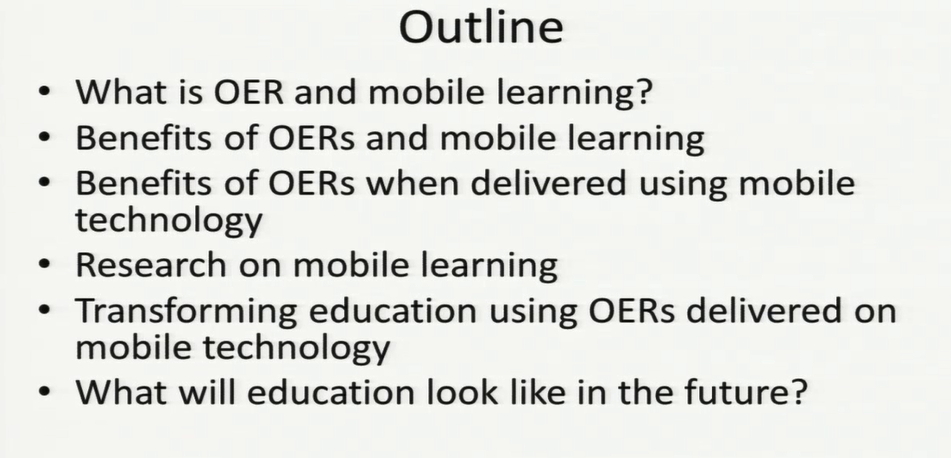
2014 이러닝 국제 콘퍼런스 : Open Education Resources with Mobile Learning to Transform Education
한국교육학술정보원 Mohamed Ally -

2014 이러닝 국제 콘퍼런스: Mobile Learning Design at the University of Manitoba
한국교육정보진흥협회 Dr. Robert Lawson -
Himalayas: Mobile Learning
Teachers TV Teachers TV -

서비스품질경영
성균관대학교 박영택
이 자료와 함께 이용한 RISS 자료
나만을 위한 추천자료


